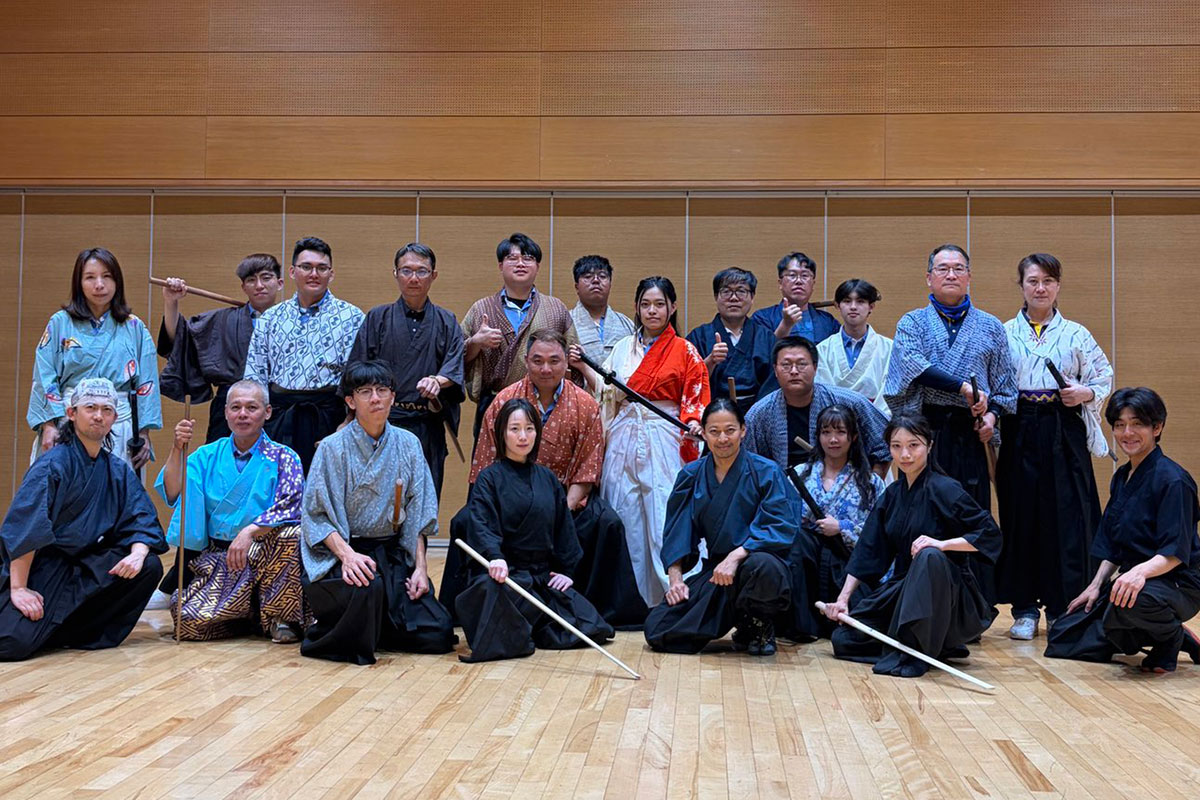
We recently provided a special lesson for 14 employees of an anime production company in Tokyo, teaching them samurai movements, etiquette, and sword handling.
The session was originally planned as a company recreation activity, but the company also wanted to learn samurai movements and techniques that could be useful for anime production. We therefore created a special 2.5-hour program combining a cultural lecture with practical training.
- Date: October 24, 2025
- Duration: 150 minutes
- Participants: 14
- Instructors: 4
Learning About Japanese Sword Parts
We started by learning about Japanese swords.
Four participants wanted to wear traditional Japanese clothing, so they put on hakama before the lesson.
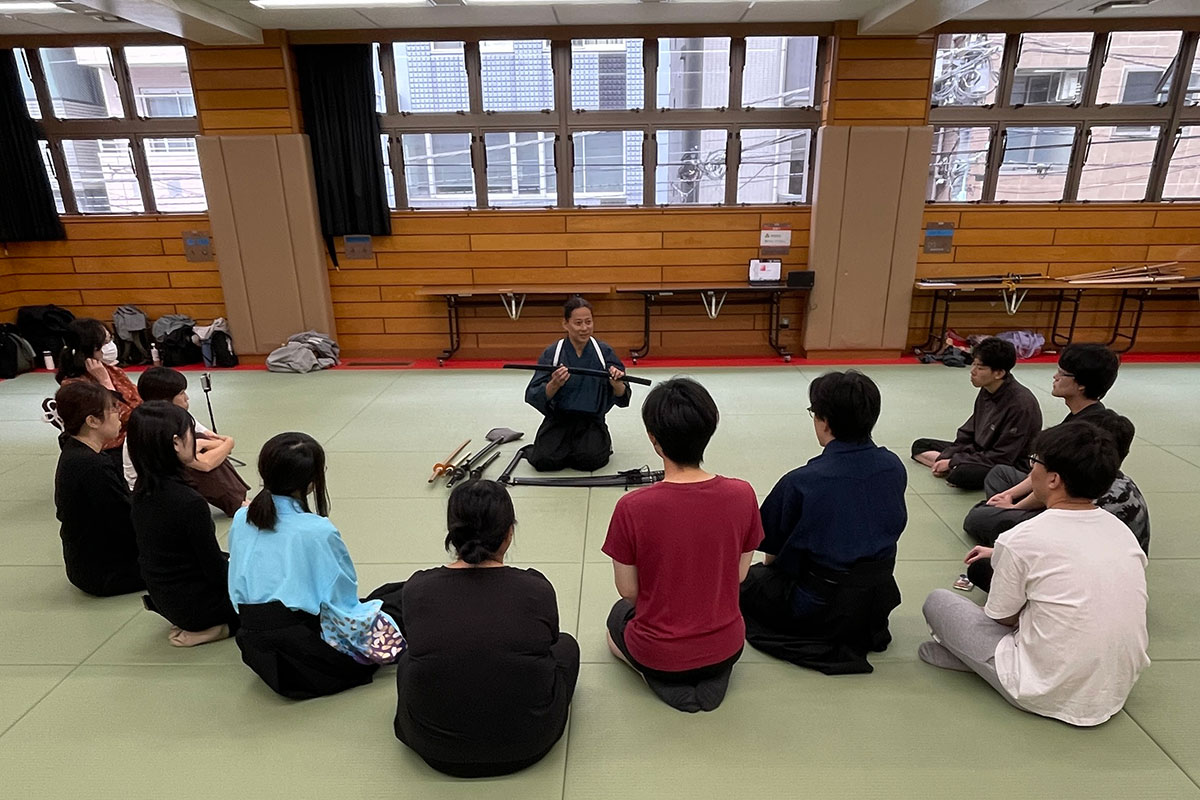
After some stretching to warm up, we introduced three types of training swords and explained their different characteristics and uses.
The three types used in the lesson were iaito, takemitsu, and bokuto.
An iaito is a practice sword with a weight similar to that of a real Japanese sword. A takemitsu is a lightweight practice sword with a wooden blade, which is used for practicing drawing and sheathing the sword. A bokuto is a wooden sword suitable for practicing movement and stage combat.
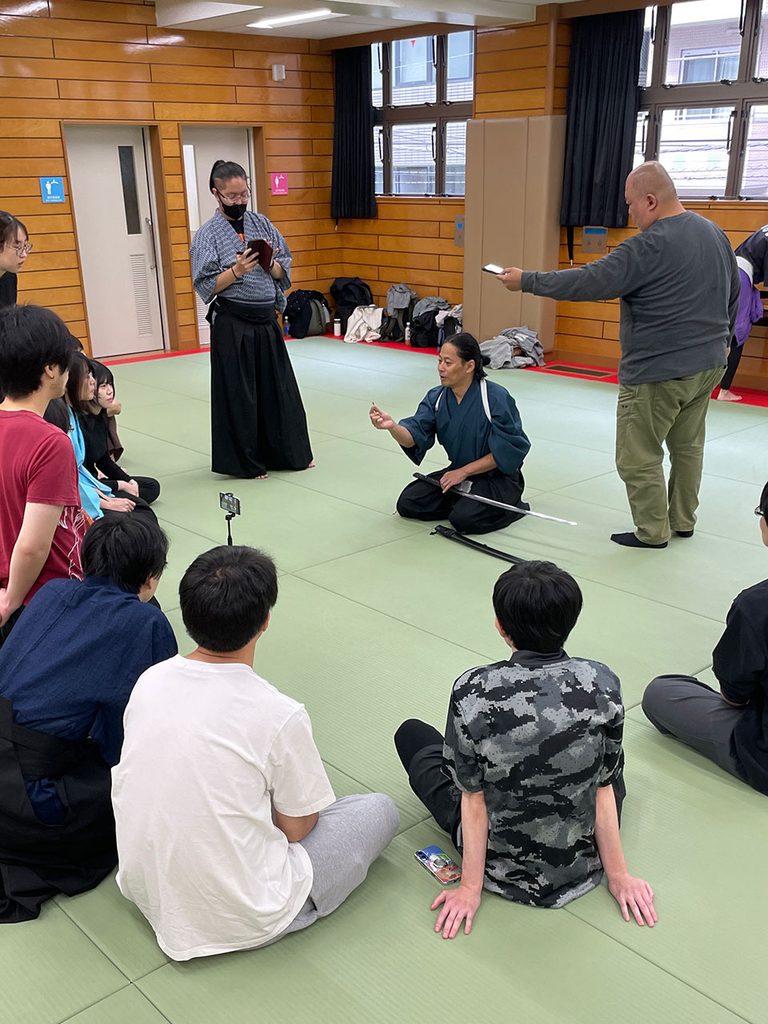
We then took apart an iaito and introduced its different parts, including the handle, sword guard, and scabbard.
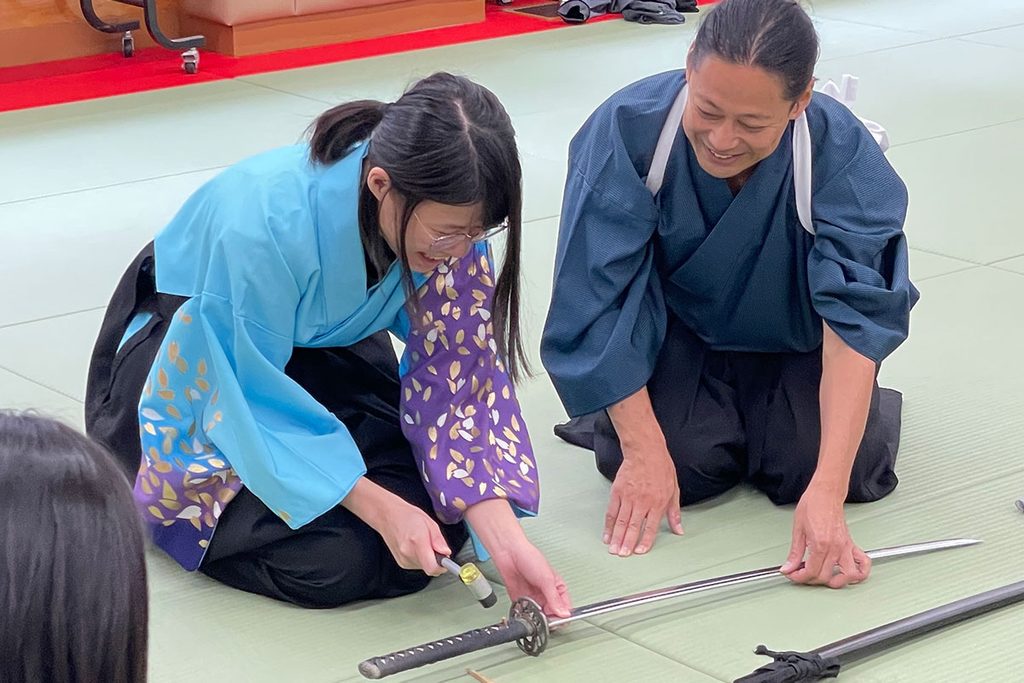
The participants were very interested and carefully examined the sword while holding it themselves.
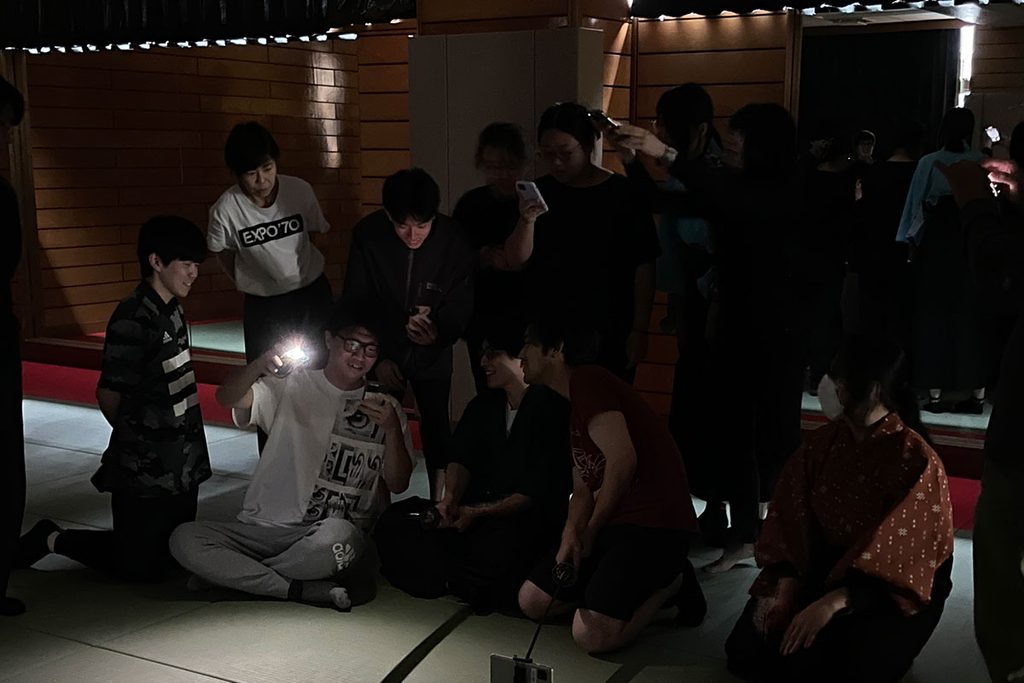
At one point, they darkened the room and used lighting to photograph the reflection of the blade.
They also asked, “Could you swing the sword for us?” so one of our instructors demonstrated a sword swing for them to film.
They told us that the footage might be used in one of their scenes, so we are looking forward to seeing how it may eventually appear in their work.
Explaining Samurai Movements Through Anime Scenes
Next, we used movements seen in anime to explain samurai etiquette and sword techniques.
We also introduced scenes from Demon Slayer: Kimetsu no Yaiba and explained details such as stances, posture, foot position, blade angle, and sword handling.
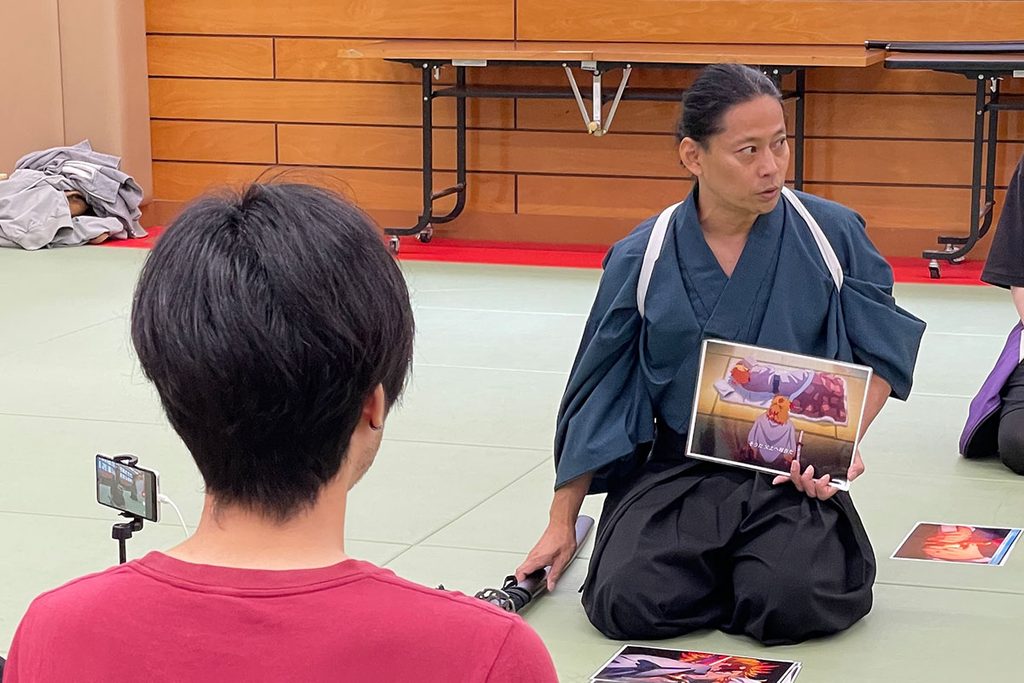
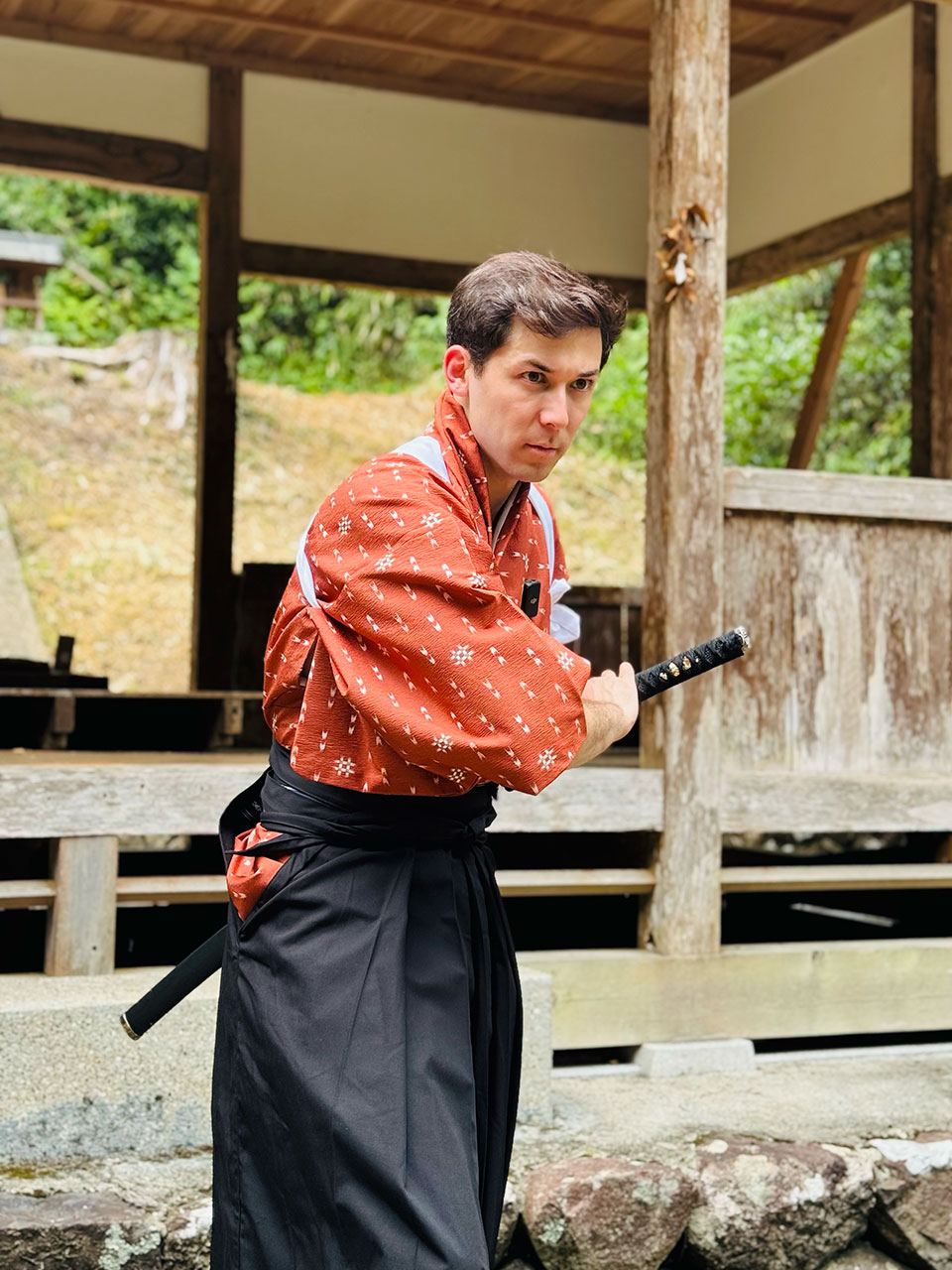
Even when simply standing with a sword, the position of the feet, direction of the body, and angle of the sword can change how the movement looks on screen.
The participants asked many specific questions from the perspective of how these movements could be recreated in animation.
Many of their questions focused on small details, reflecting their professional experience in anime production. It was an interesting learning experience for us as well.
Practicing Samurai Movements
After the lecture, the participants began the practical part of the lesson.
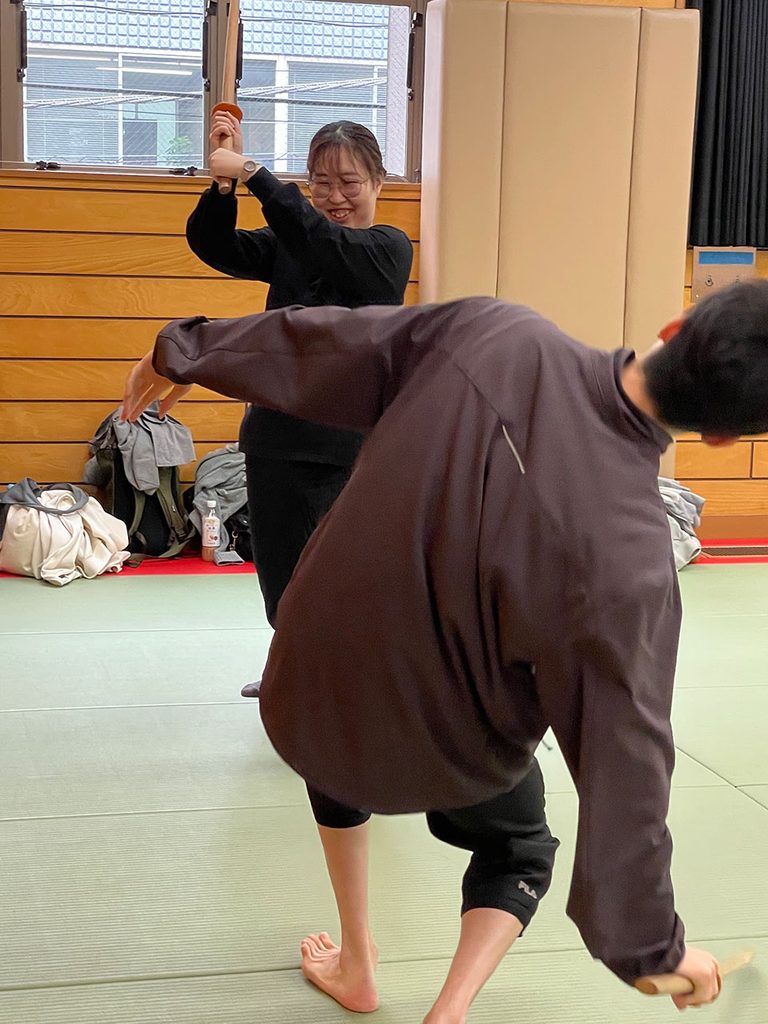
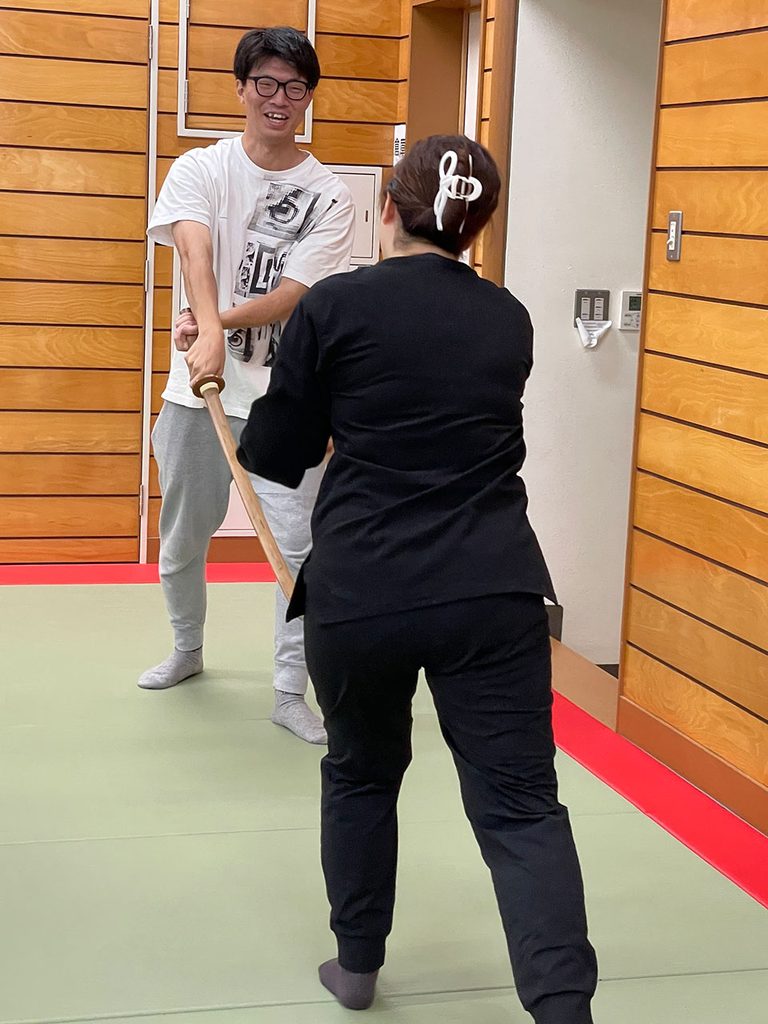
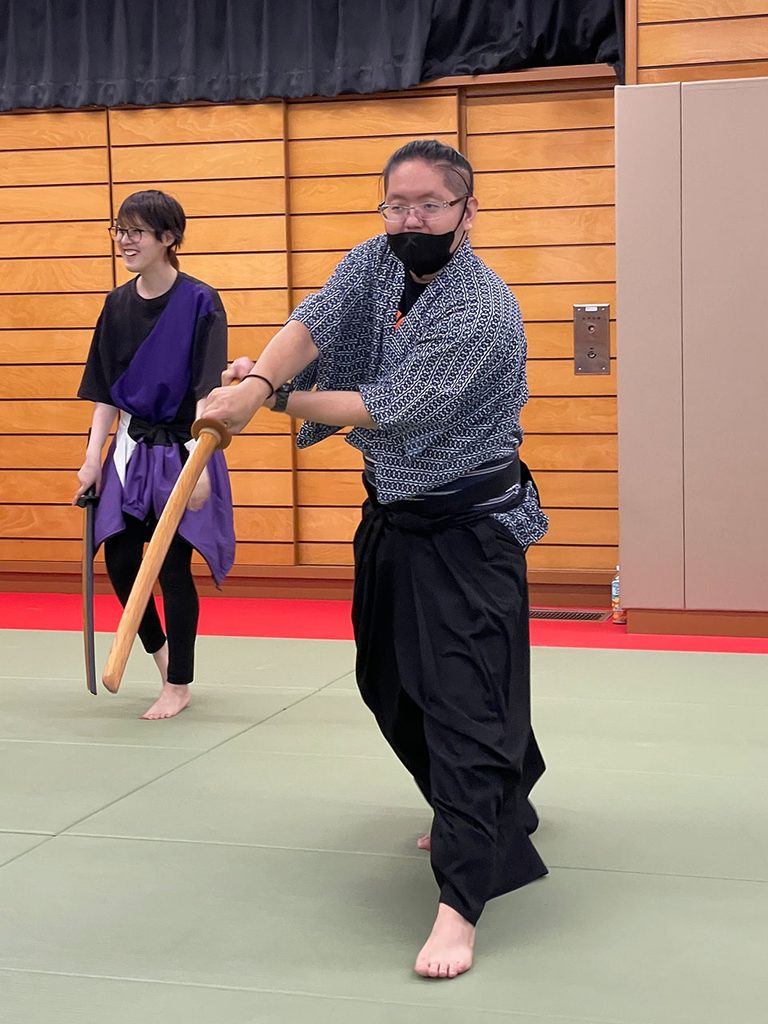
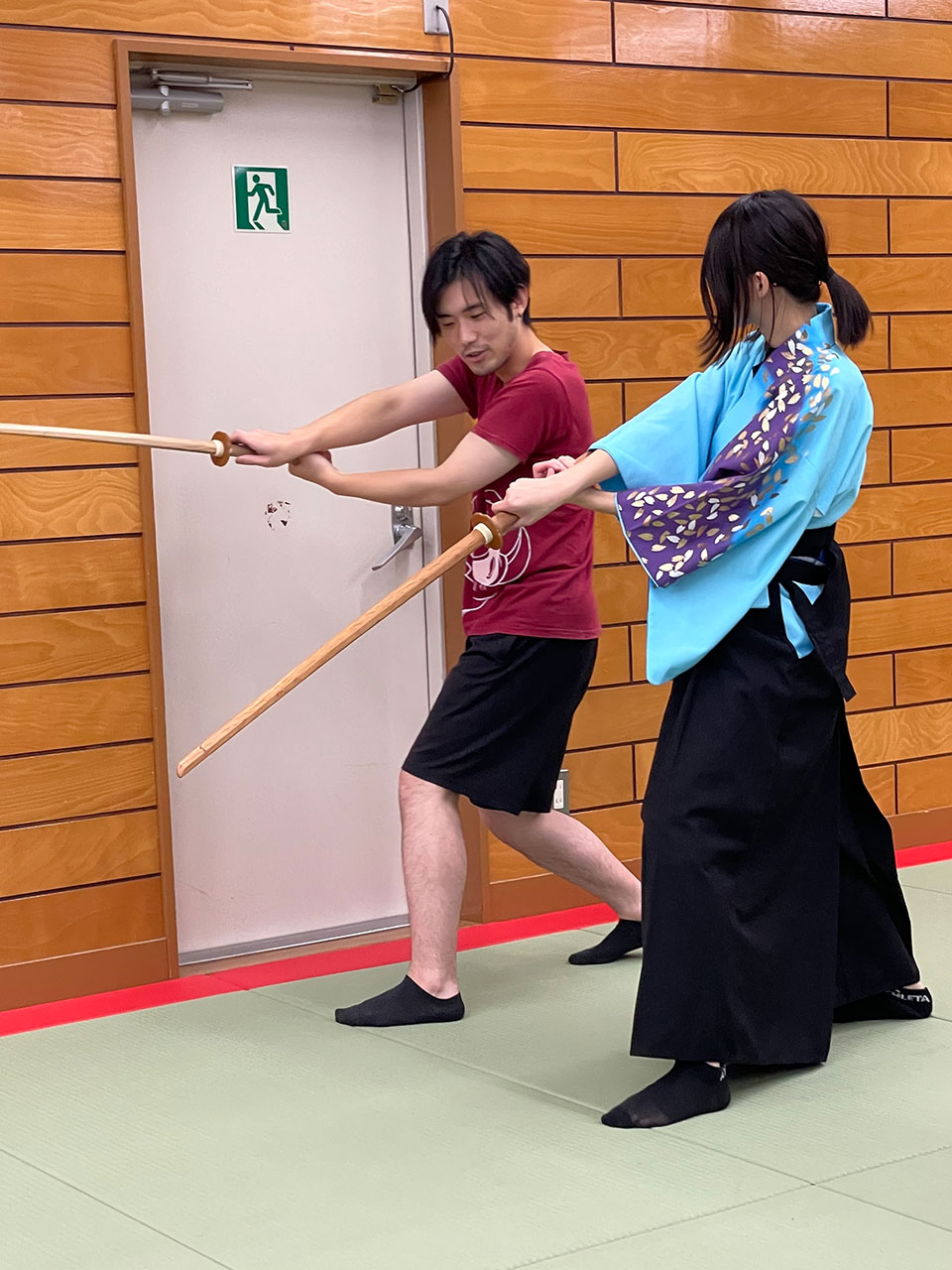
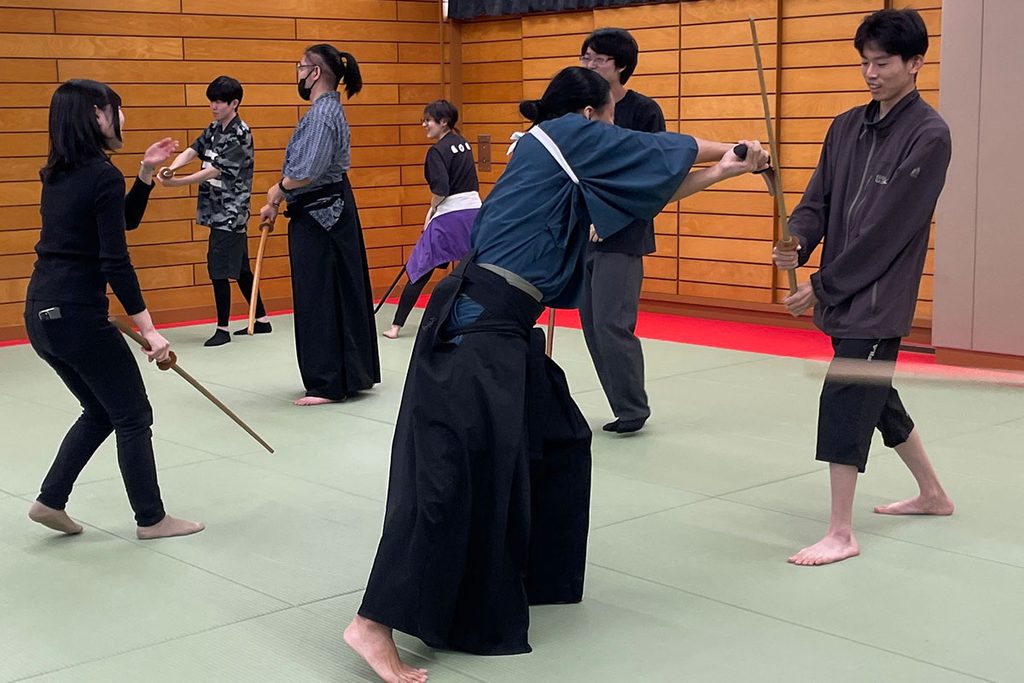
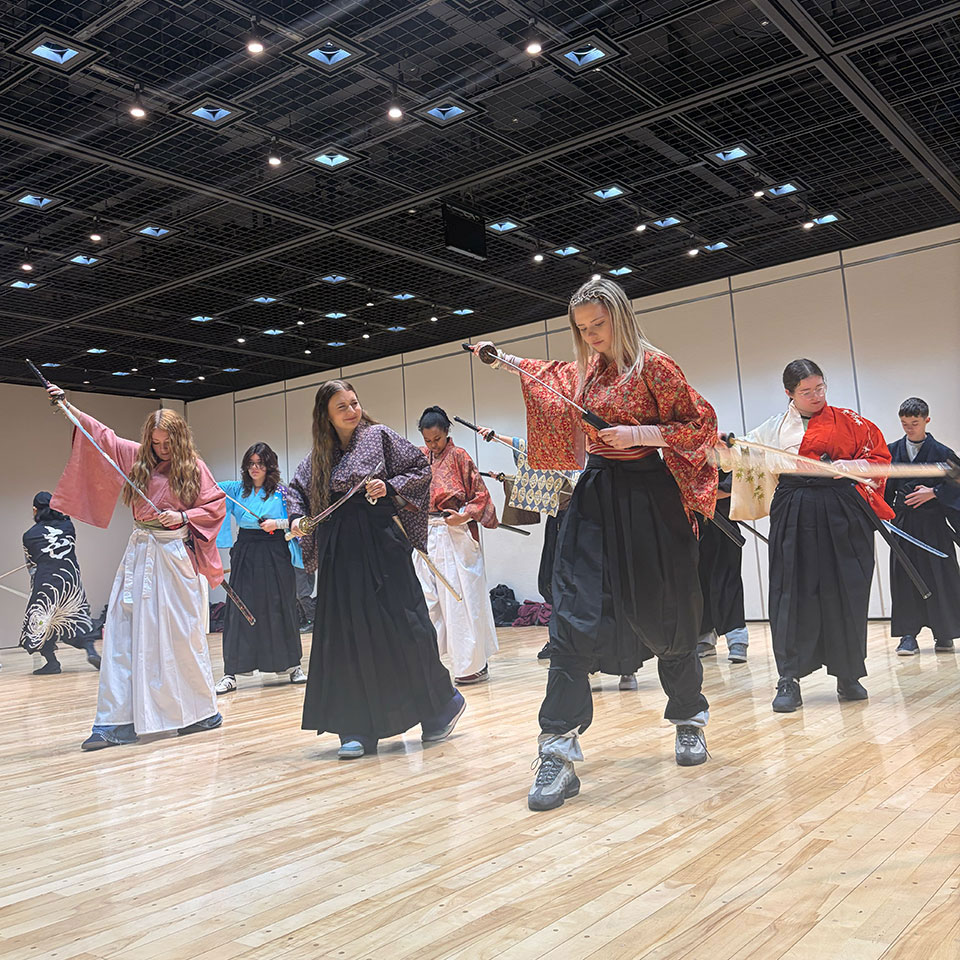
They practiced basic samurai etiquette and movements, sword stances, sword handling, partner training, and samurai-style stage combat.
Everyone was very enthusiastic and paid close attention to details such as their posture, foot position, and the angle of the blade.
In our regular Samurai Experience, we usually assign the swords to be used. This time, however, the participants chose their own swords and carefully examined them before training.
Because they were thinking about how the movements could be recreated in animation, they continued to ask specific questions while practicing.
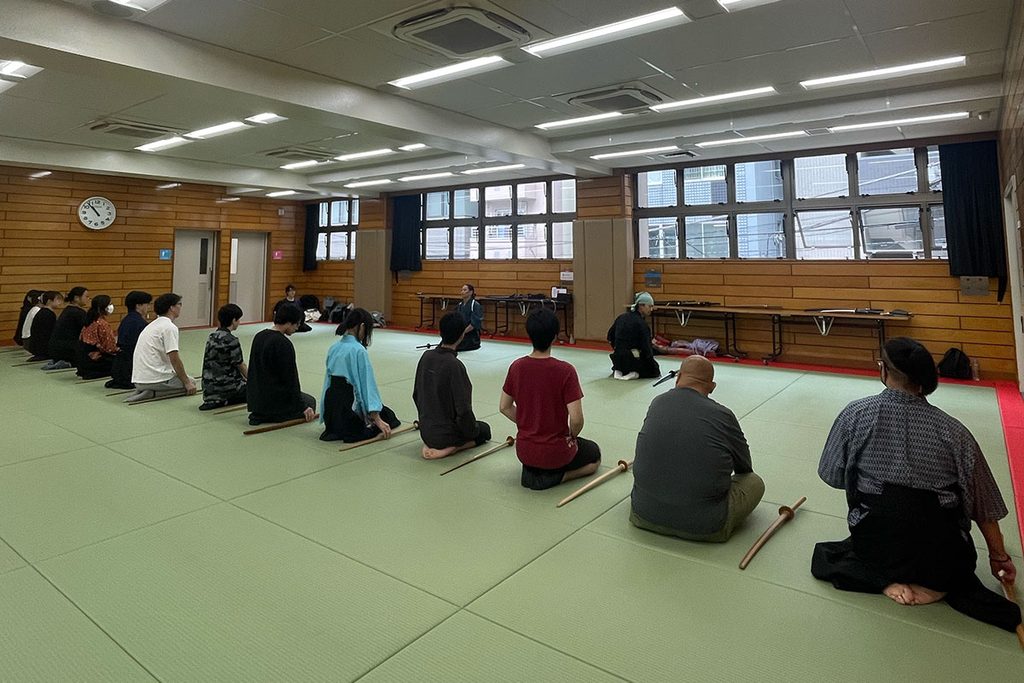
The session began and ended with Japanese etiquette and bowing.
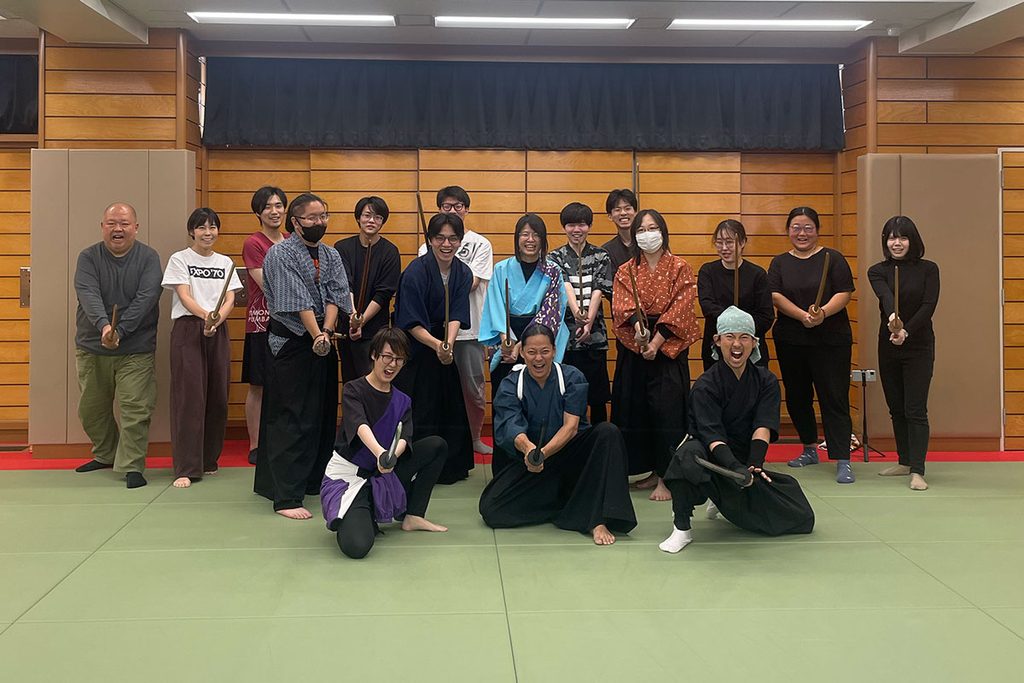
Finally, we held a question-and-answer session, bringing the 2.5-hour lesson to an end.
Feedback from the Participants
After the lesson, we received the following feedback from the company:
“Many employees said that they were able to learn more deeply about lighting, that it was good exercise, and that the session was well-balanced and enjoyable. We had a very fulfilling time. We hope to make good use of what we learned from this training in our future productions.”
By combining a cultural lecture with practical training, the participants were able to gain a more concrete understanding of samurai movements and sword handling.
For us, it was also a valuable opportunity to teach samurai movements to professional creators who actually produce anime.
Samurai Experiences for Companies and Groups
In addition to special training programs for companies involved in anime and video production, we also provide Samurai Experiences for company events, employee trips, team-building activities, and group tours.
Programs can be customized according to the size and purpose of the group. They can include an introduction to samurai history and culture, Japanese sword parts, samurai etiquette and movements, sword handling, and stage combat.
A group Samurai Experience can also be arranged as part of a trip to Japan, giving participants an opportunity to experience samurai culture together.