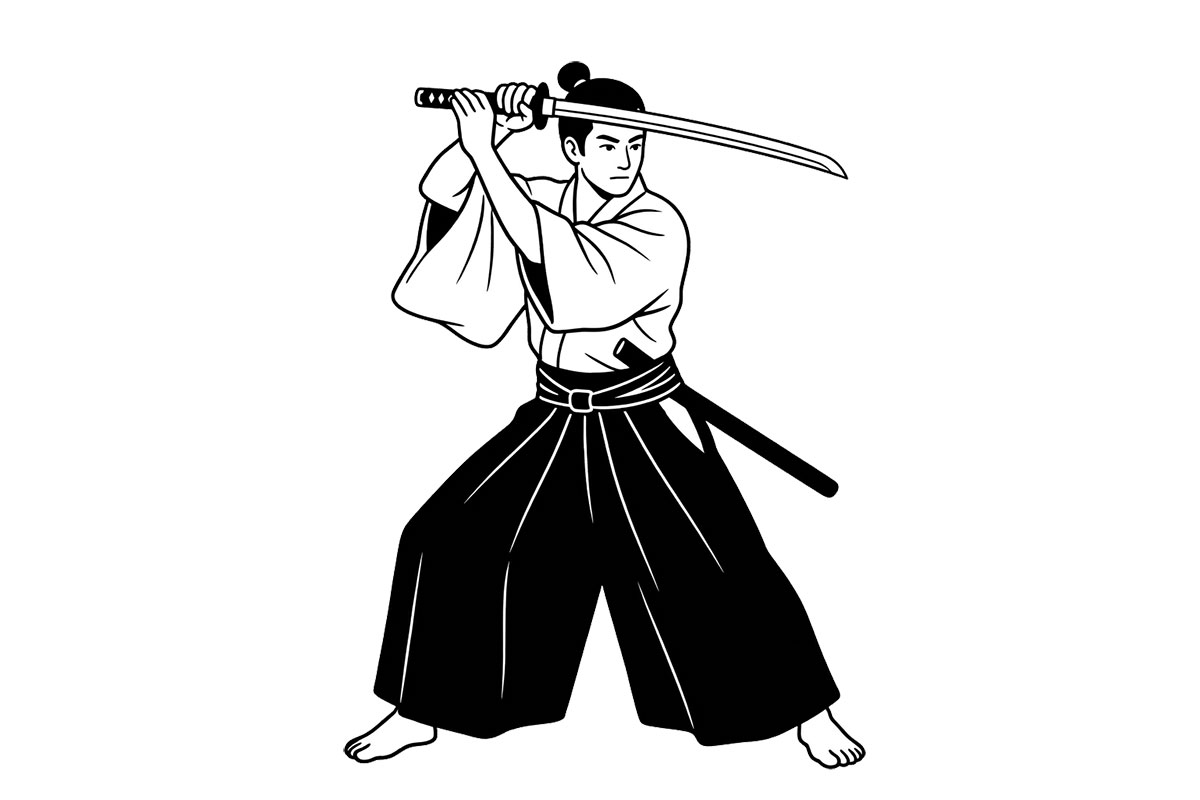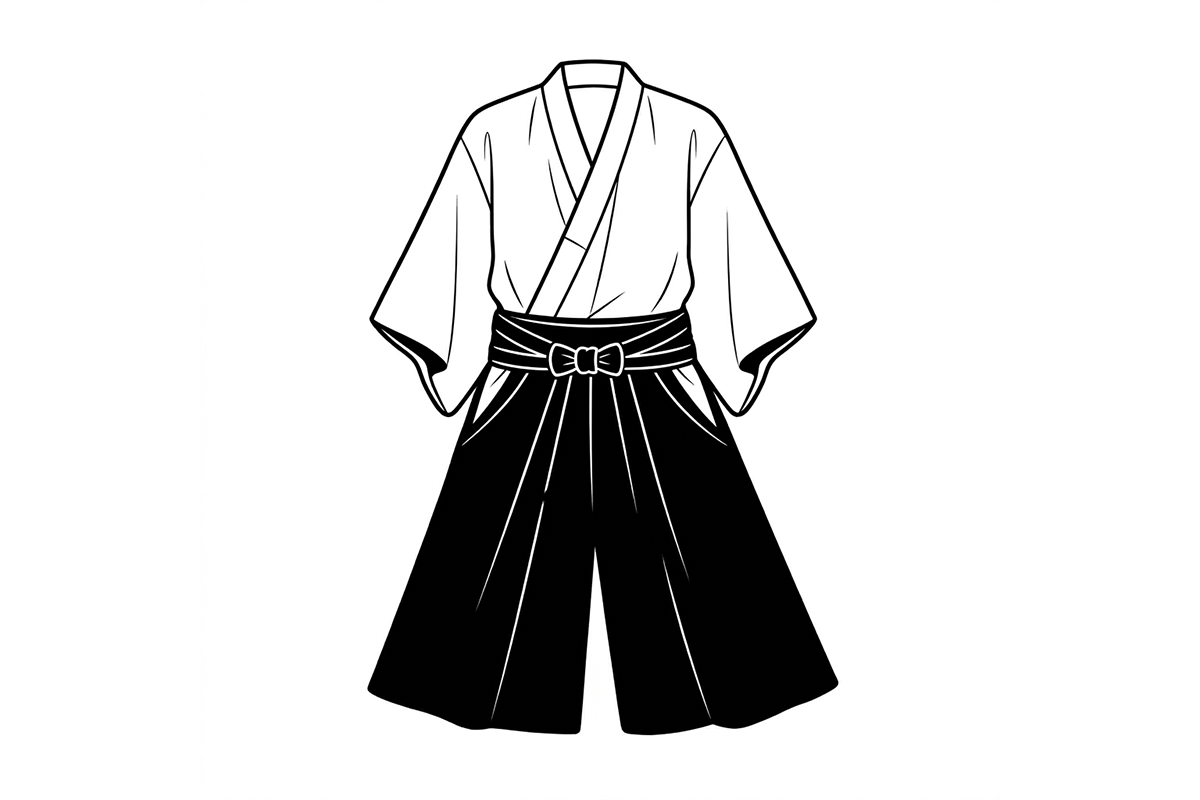
Here is a simple guide to the traditional samurai outfit, including the kimono, hakama, obi, and sword.
Kimono
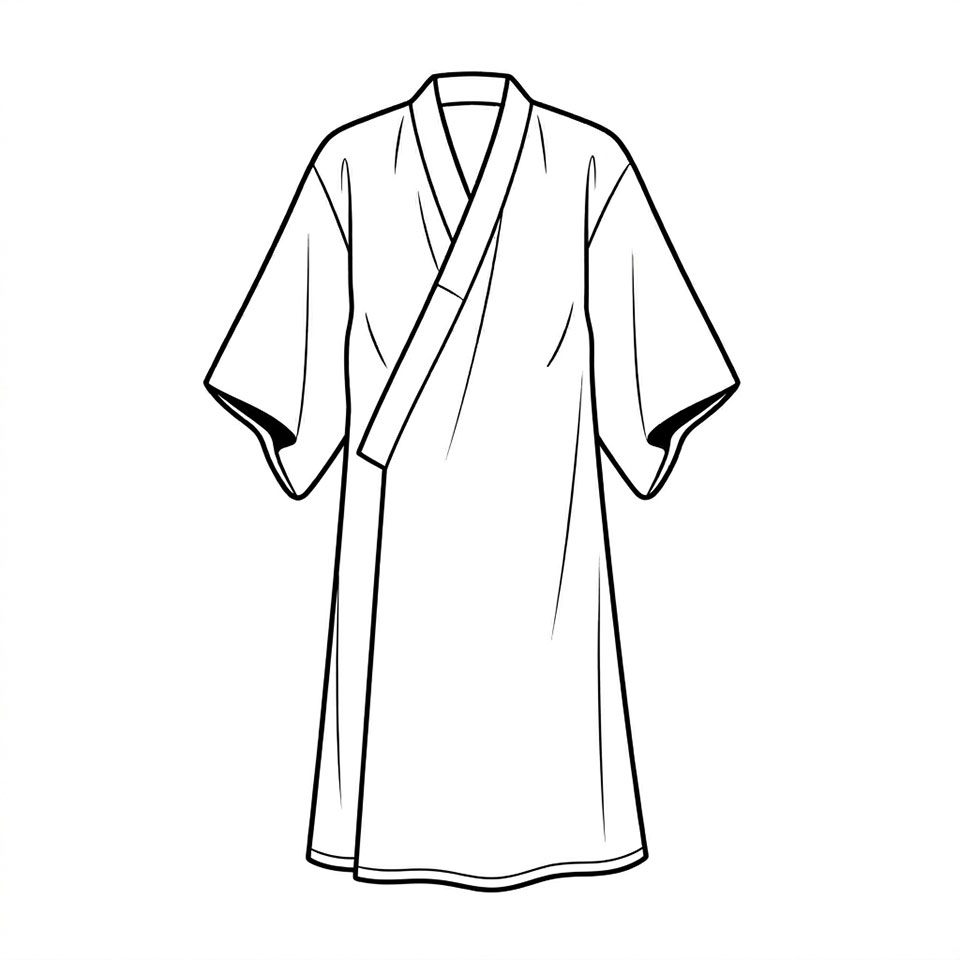
A kimono is a traditional Japanese garment that wraps around the body. There are slight differences between men’s and women’s styles. Men’s kimono tend to be simple and subdued, while women’s kimono are often more colorful and decorative. When putting it on, always wrap the left side over the right. If you do it the other way around, it is the style used for dressing the deceased.
Hakama (Pants)
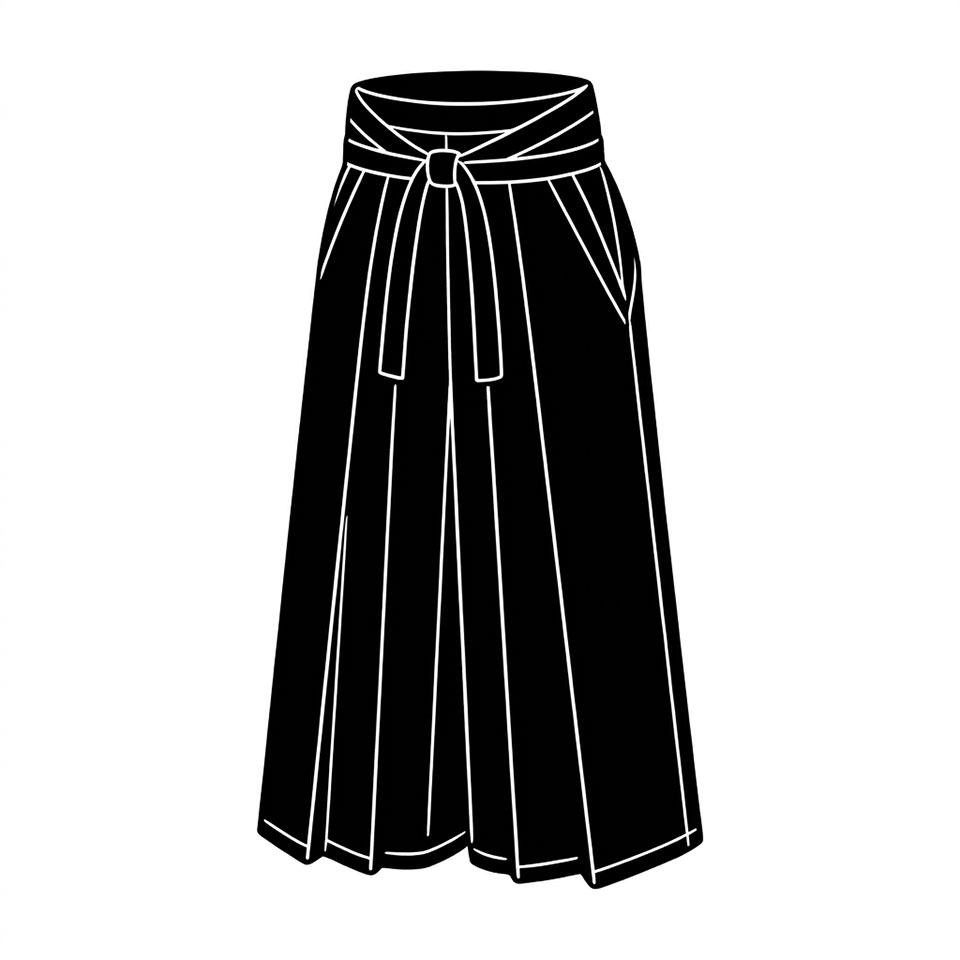
Hakama are worn over the kimono and look like wide pants. They were designed to make movement easier. In the past, not only samurai but also nobles and scholars wore them. Today, they are still used in martial arts such as kendo and aikido. In modern Japan, women also wear hakama at university graduation ceremonies.
Obi (Belt)
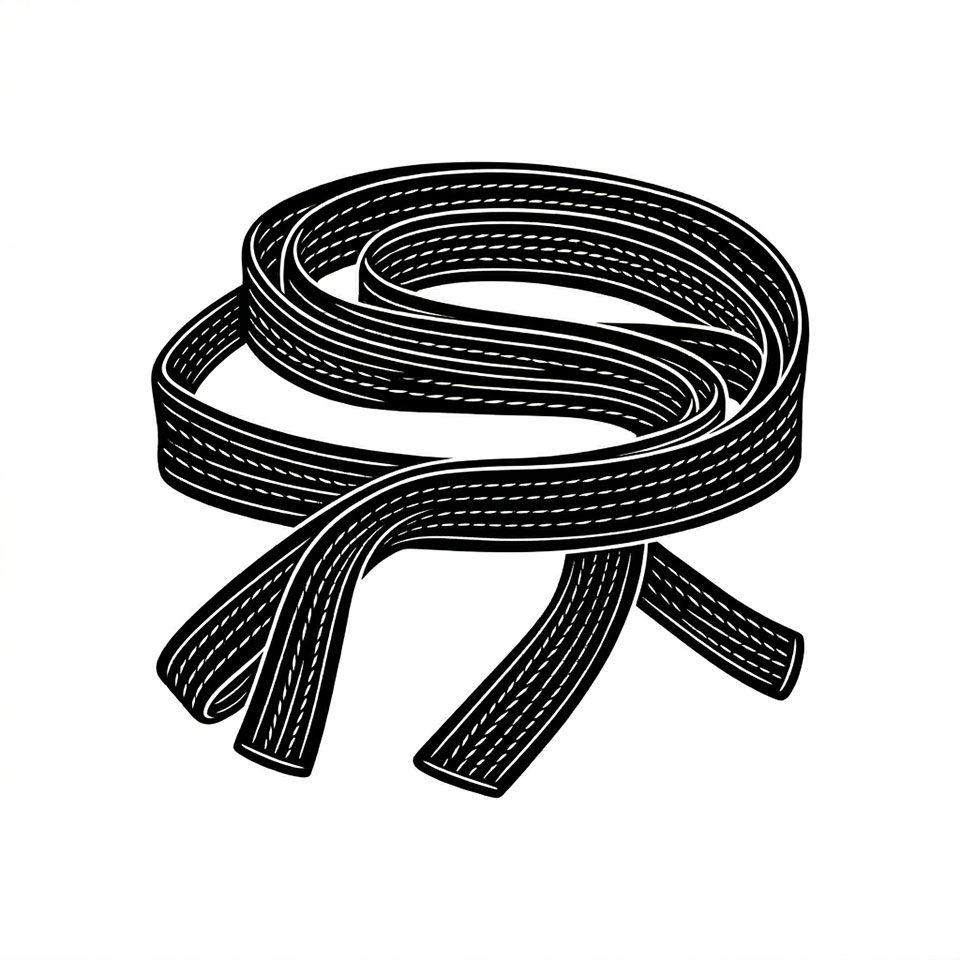
The obi is a belt used to secure the kimono, and this is where the sword is placed. It is said that the name “Obi-Wan Kenobi” from Star Wars comes from this obi. The Jedi costume was also influenced by traditional Japanese clothing like kimono and hakama.
Tightening the obi and engaging your core helps maintain good posture, which is the foundation of samurai movement.
Sode (Sleeves)
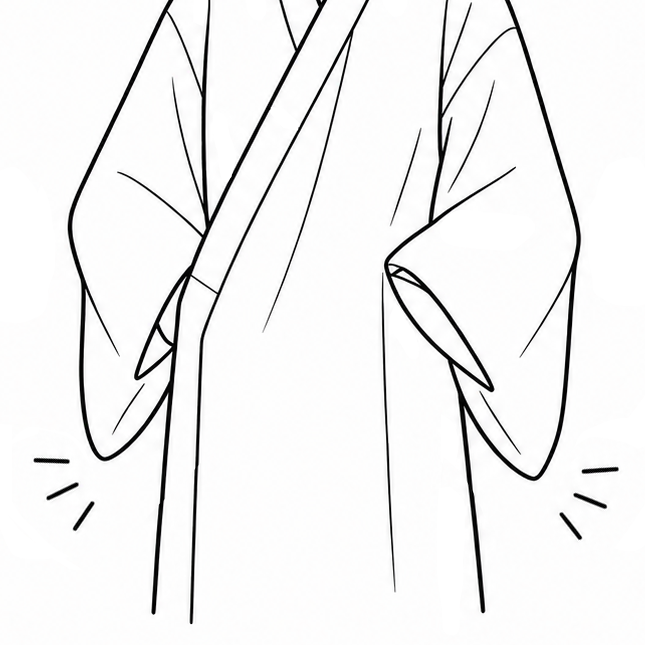
Kimono sleeves (sode) can be used to carry small items or to cover the hands. They function like old-fashioned pockets. However, items are not secured inside, so please avoid putting valuables like phones in them.
Sword
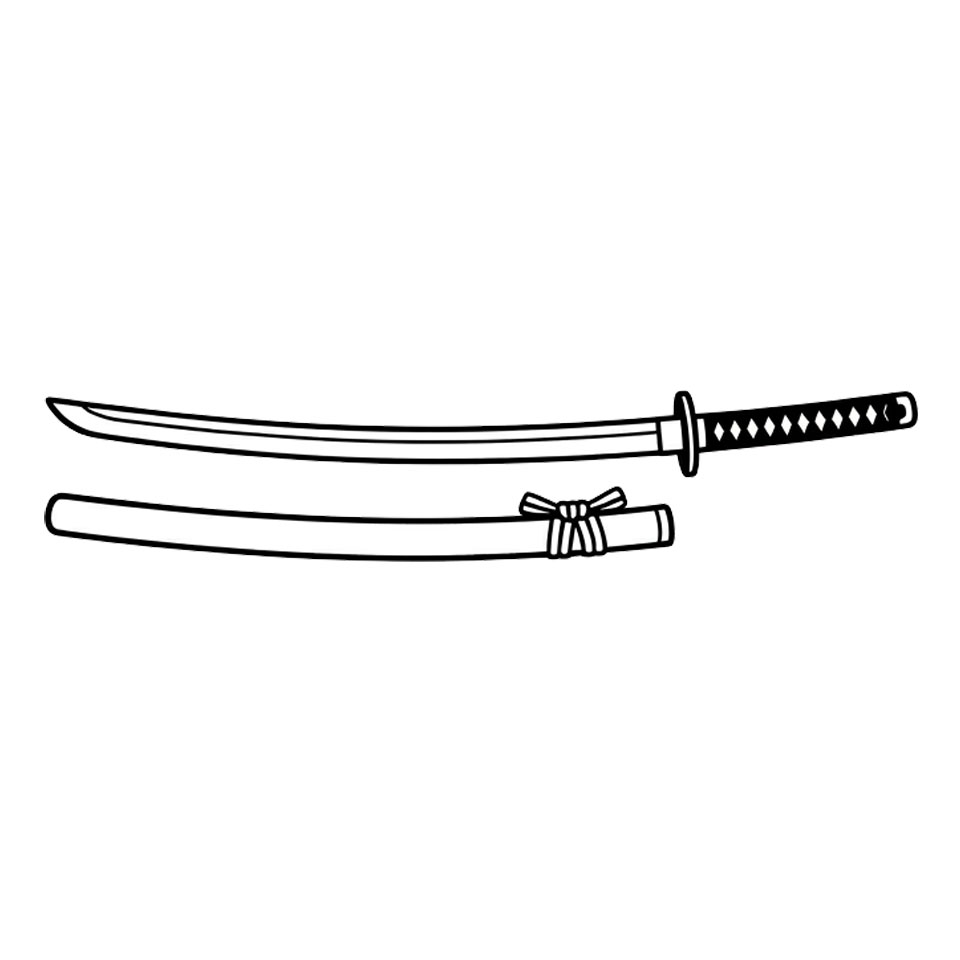
The sword was extremely important to samurai and was considered their soul. Do not draw it without permission, do not touch the blade, and do not step over it. The sword is always worn on the left side.
Samurai Clothing FAQ: Common Questions
It’s not difficult because staff will help you. The only thing to remember is left over right.
It usually takes about 5-10 minutes with staff assistance.
Light and comfortable clothing is recommended. Avoid bulky clothes.
Yes. You can keep small items like your phone in your sleeves.
Using the restroom while wearing a samurai outfit takes a bit of practice and extra time, so we highly recommend using it before your experience begins. However, if you need to go, it is much easier than it looks, especially with a Western-style toilet. For men wearing a divided riding hakama (umanori-hakama), you can easily access your undergarments from the side openings without untying any knots. If you are wearing a skirt-like hakama (andon-hakama) or just a kimono, simply lift all the layers from the bottom hem up to your waist, one layer at a time from the outermost to the innermost. You can hold the fabric securely under your arms or use clips to keep it clean and away from the toilet bowl.