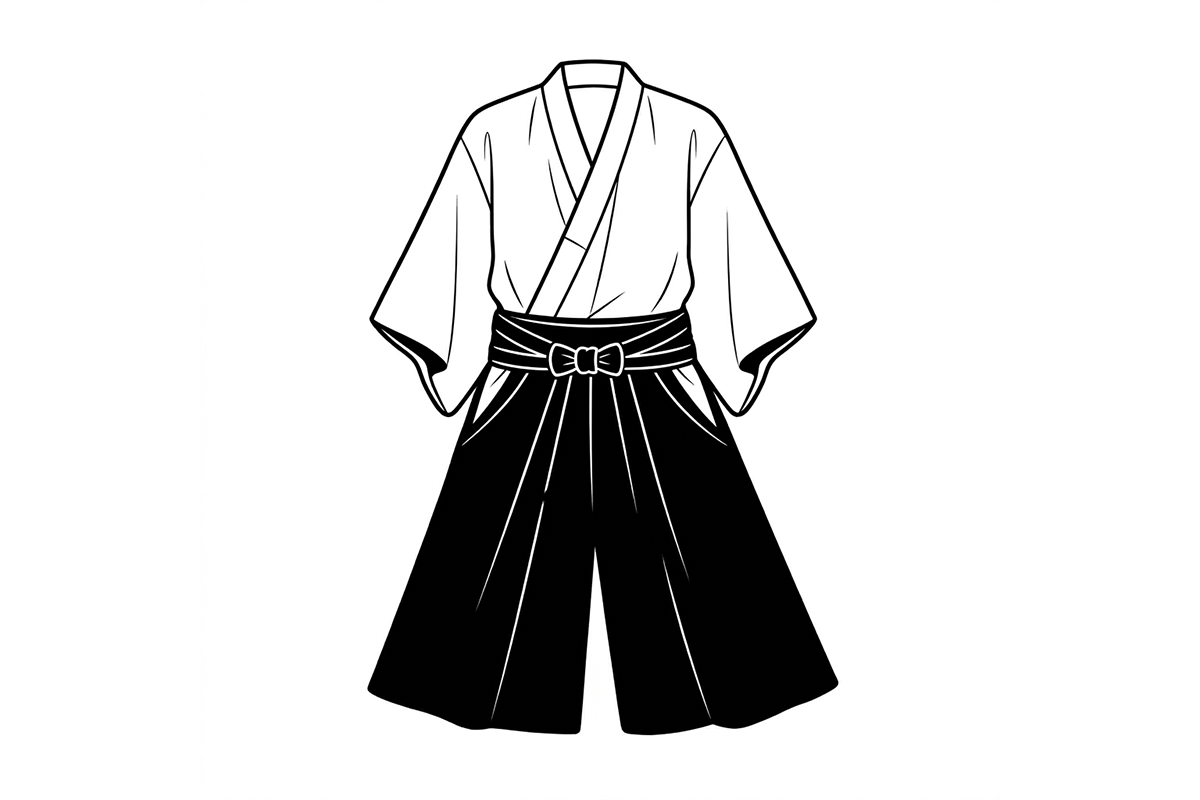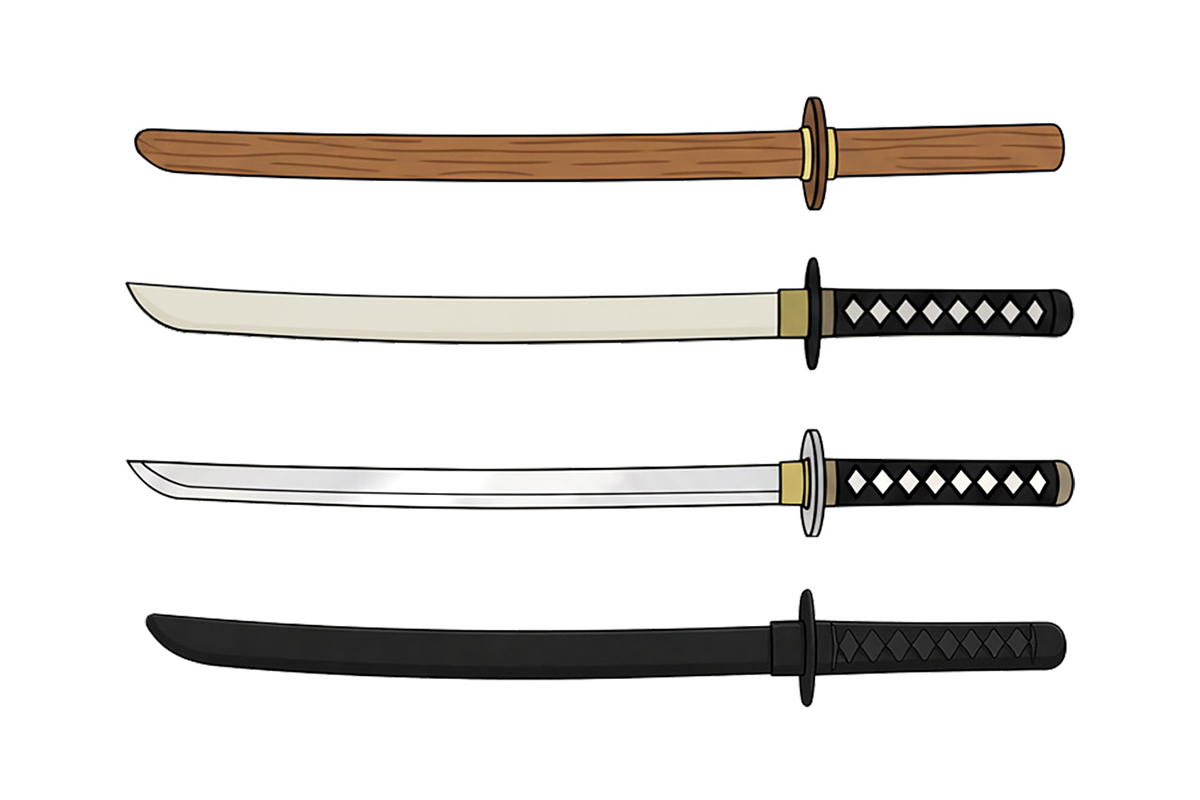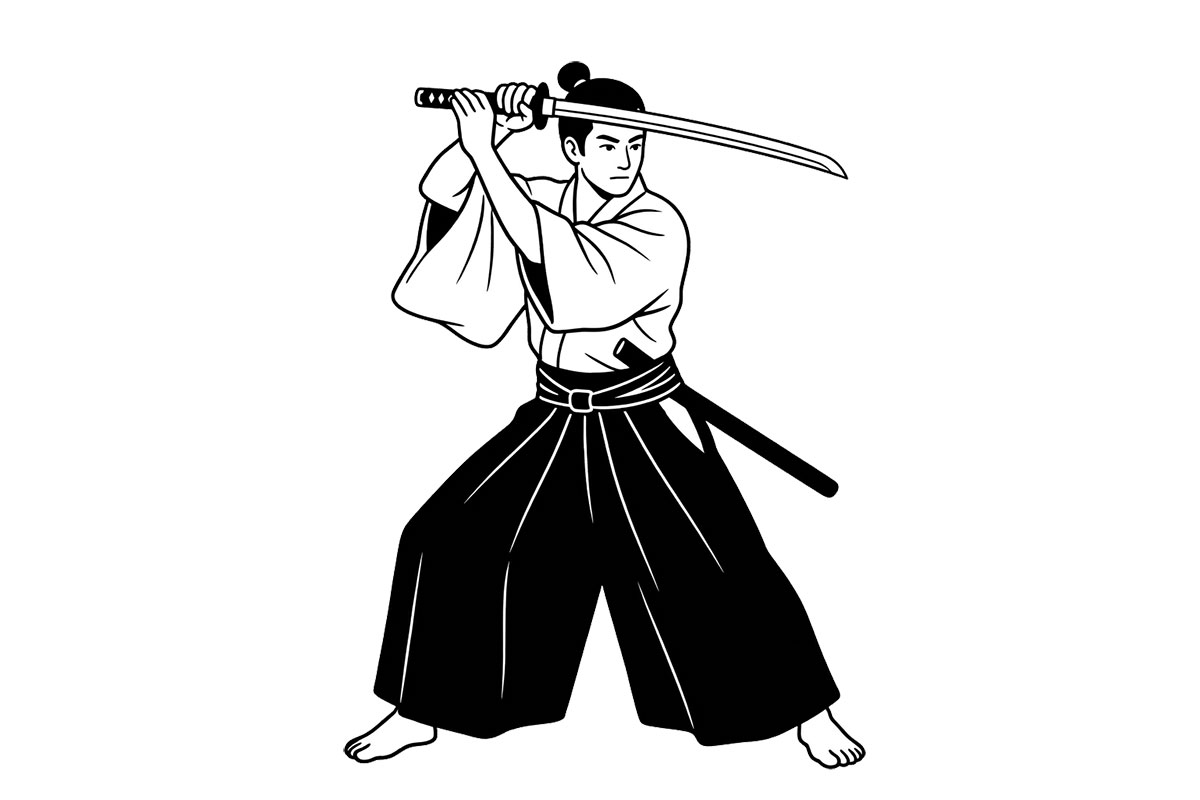
The Five Element Stances (Gogyo no Kamae) in Japanese swordsmanship are not just postures, but a system for understanding fighting concepts through natural elements.
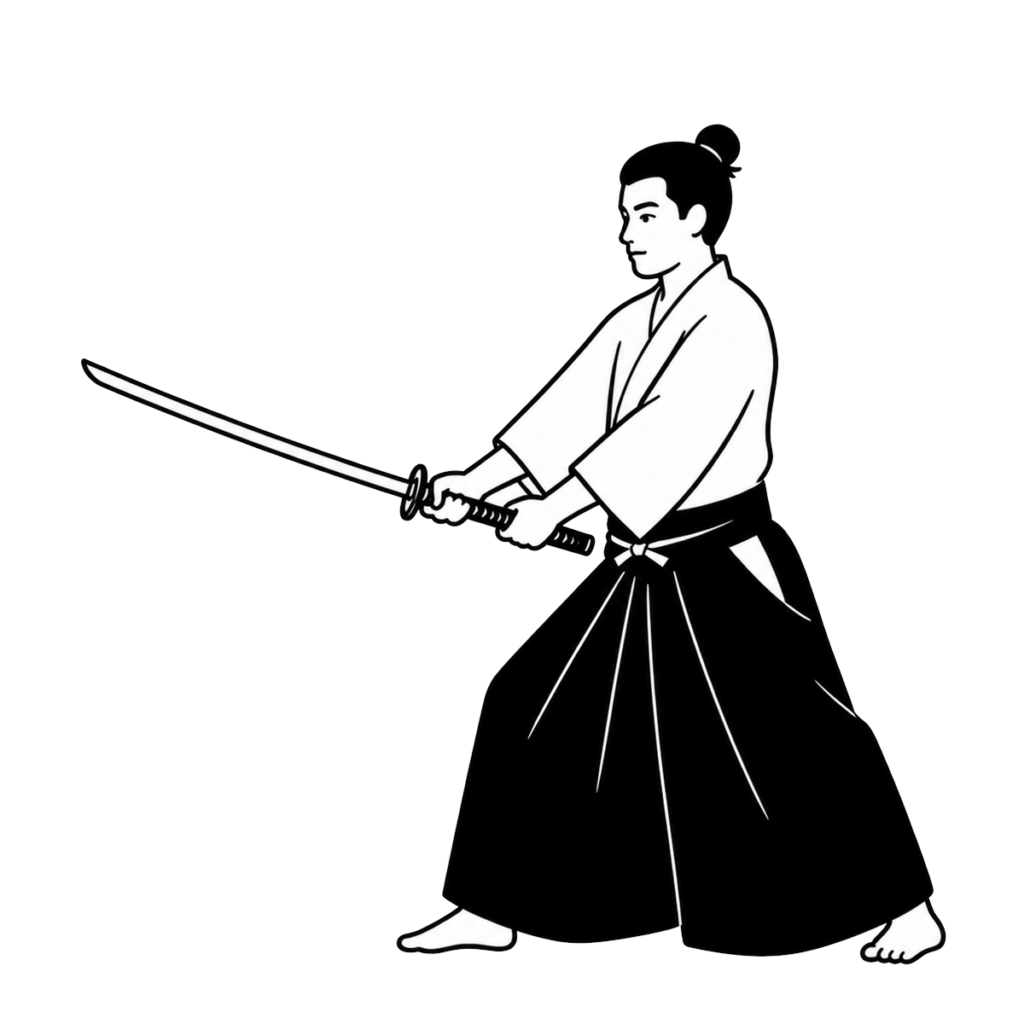
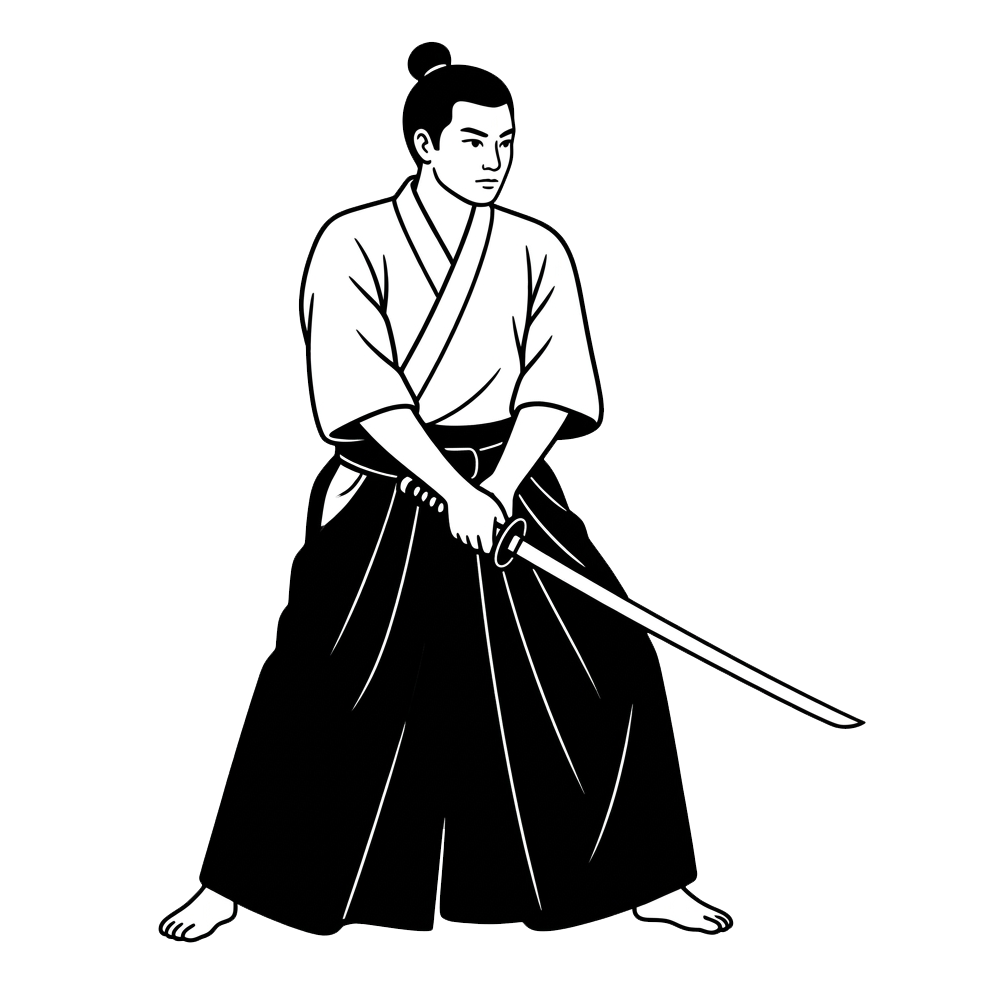
Chudan-no-kamae (Seigan-no-kamae)
Earth Stance
A fundamental stance with the sword pointed toward the opponent’s throat. It has the stability of an immovable mountain, protecting the body’s center while allowing smooth transitions between offense and defense. It serves as the basic reference point for all movements.
Jodan-no-kamae
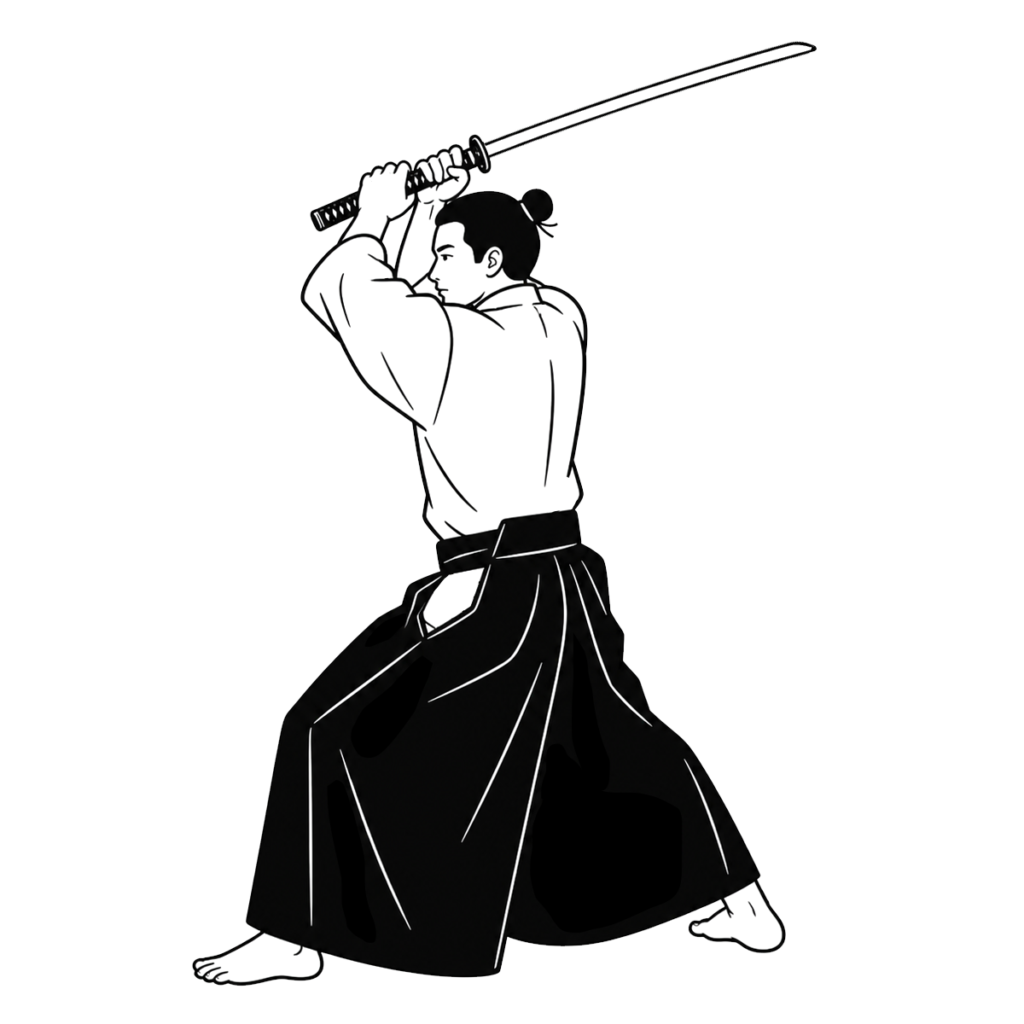
Fire Stance
A high stance with the sword raised above the head, focused on attack. It is an aggressive posture designed for powerful offense, striking down with the explosive energy of rising flames.
Gedan-no-kamae
Water Stance
A low stance with the sword tip lowered. Like water adapting to its surroundings, it responds flexibly to the opponent’s movements and creates openings within the flow of action. From a relaxed state, it shifts smoothly between defense and offense to exploit a momentary gap.
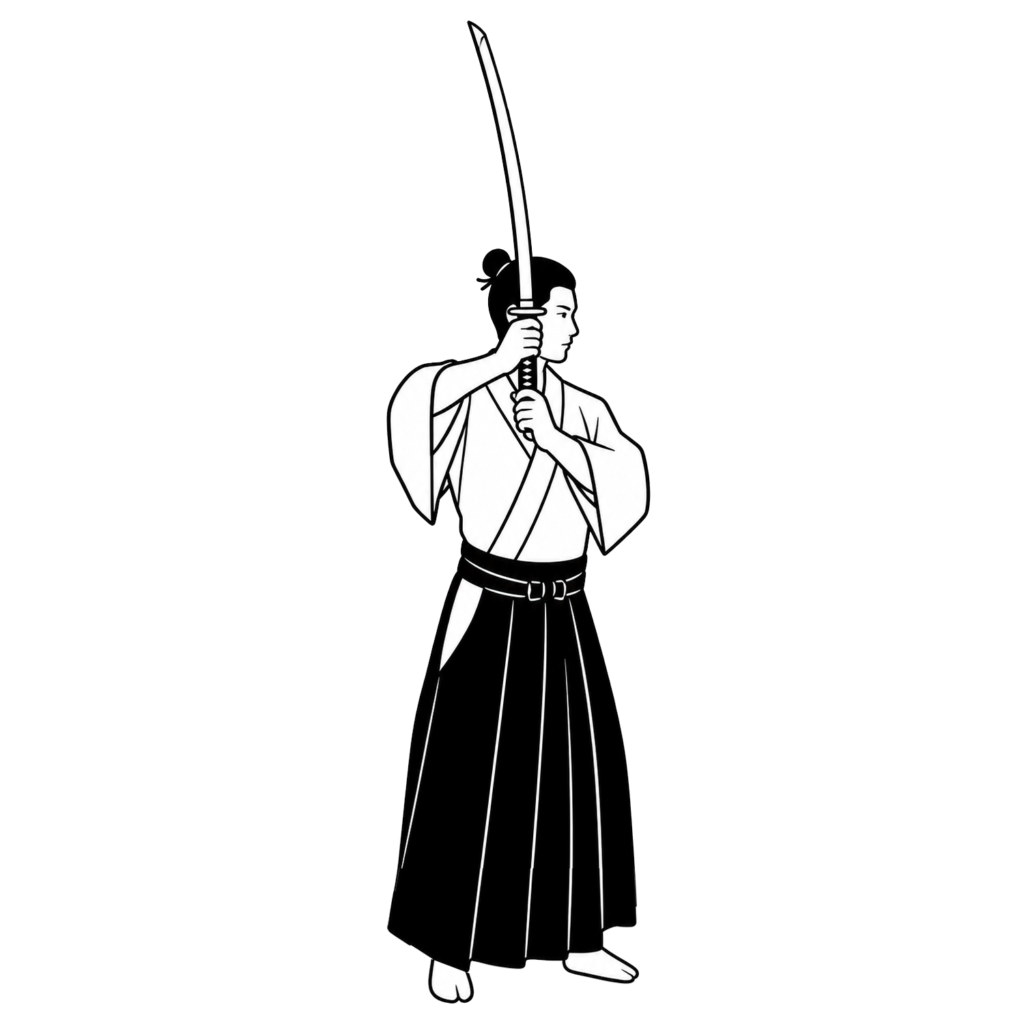
Hasso-no-kamae
Wind Stance
A stance where the sword is held vertically beside the face, enabling quick and agile movement. Unpredictable like the wind, it conceals timing and distance, making it difficult for the opponent to read the next action. It is well-suited for disrupting the opponent’s balance through rhythm and timing changes.
Waki-gamae
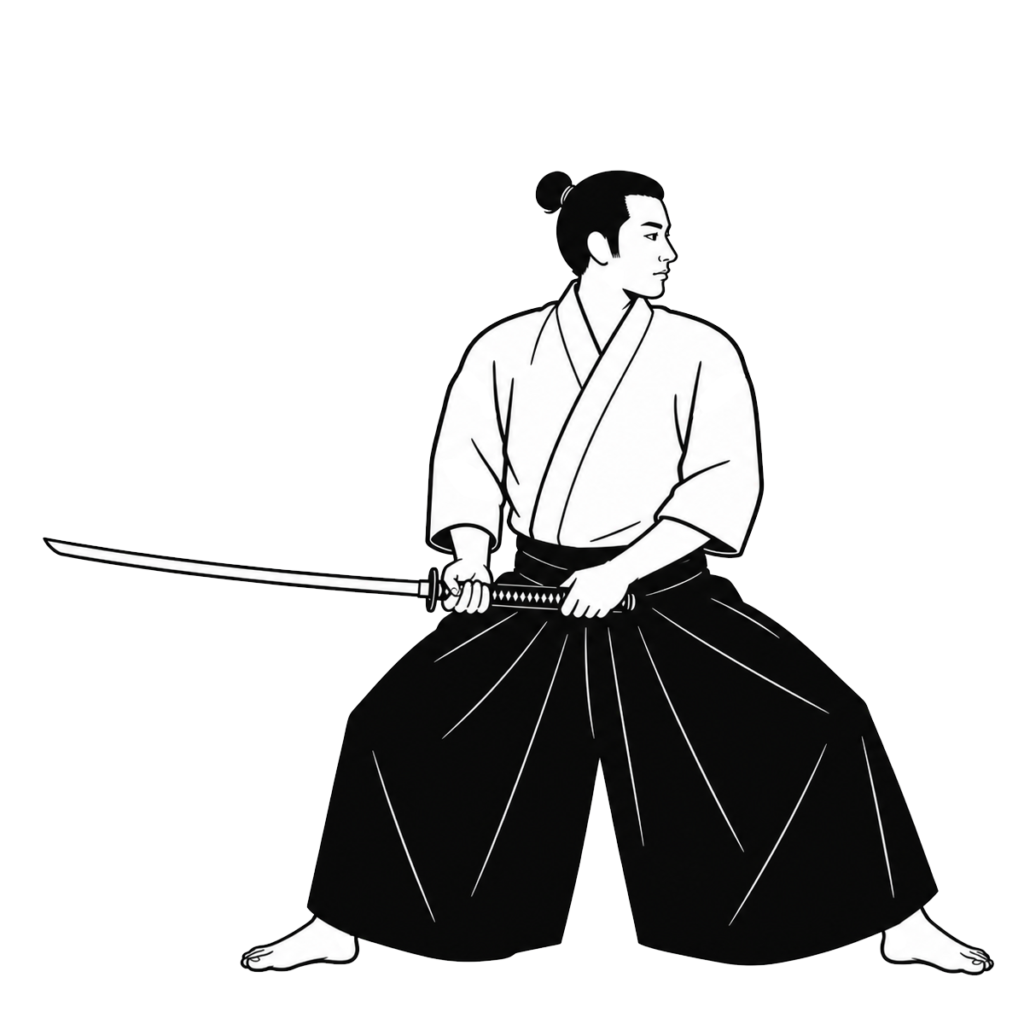
Void Stance
A stance where the sword is hidden behind the body, concealing its length and position. It is not bound by form, focusing instead on distance and timing to break the opponent’s perception. By hiding information, it delays the opponent’s decision-making and allows instant adaptation to the situation.
The Five Element Stances are considered the fundamental stances in Japanese swordsmanship. They are not meant to be memorized as external shapes alone. By associating each with natural imagery, they serve as a guideline to intuitively access the appropriate mindset for combat in any situation.
If you’re visiting Tokyo, try our samurai experience and explore these stances for yourself.