In Japan, traditional patterns are not just decoration. Each one carries a meaning or a wish.
Japanese Patterns Have Meanings
A “monyo” (traditional pattern) is a repeating design. For centuries in Japan, these patterns have been used in clothing and everyday items to express ideas such as protection, growth, and good fortune. In many ways, patterns in Japan work like a “visual language” without words.
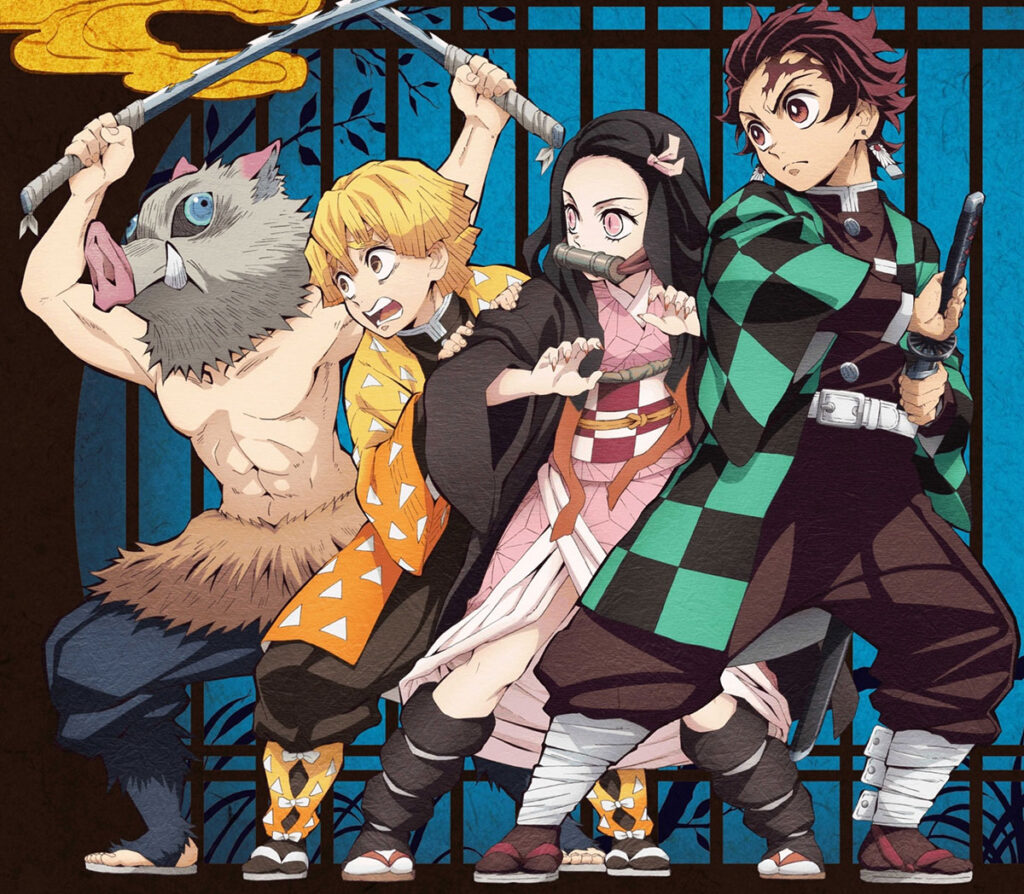
You can also see these traditional patterns in the costumes of characters from Demon Slayer: Kimetsu no Yaiba. They are not just stylish designs—they reflect each character’s personality and background. Because Japanese people can often understand these meanings intuitively, such patterns are commonly used in character design.

Ichimatsu Pattern
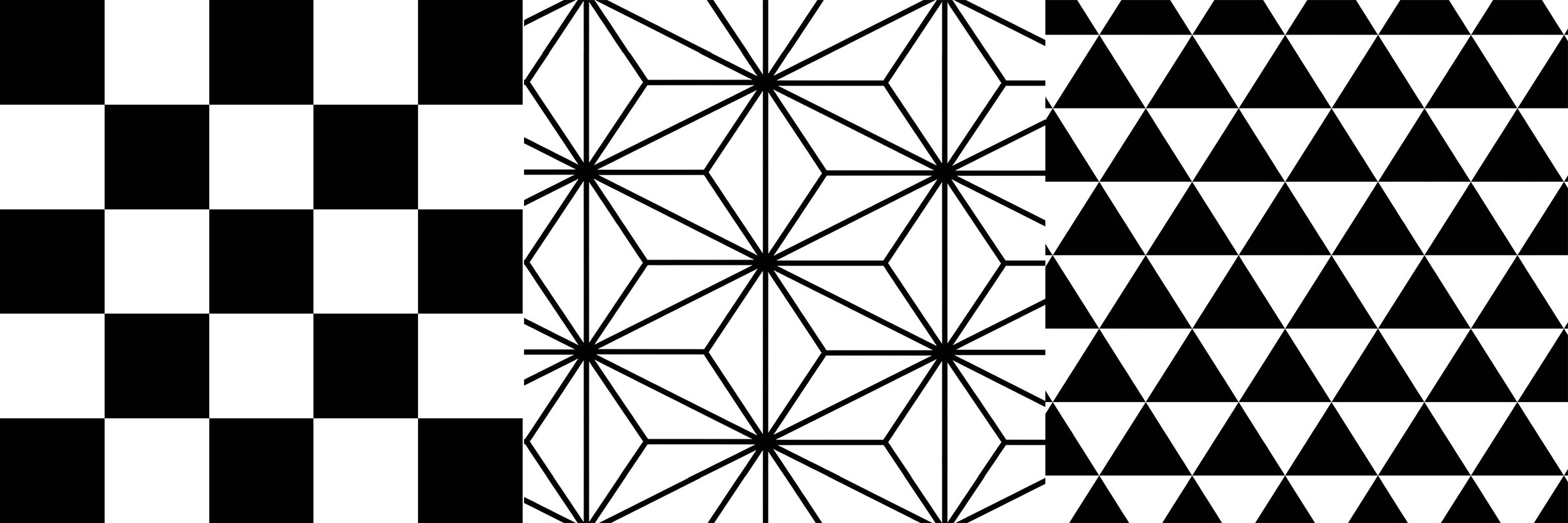
The pattern that looks like a green-and-black checkered design is called the “Ichimatsu” pattern in Japan. It represents continuity, prosperity, and eternity because the pattern repeats endlessly. It has been popular since the Edo period and is still widely used today.
This is the pattern worn by Tanjiro Kamado. It reflects themes like inherited will and an endless journey.
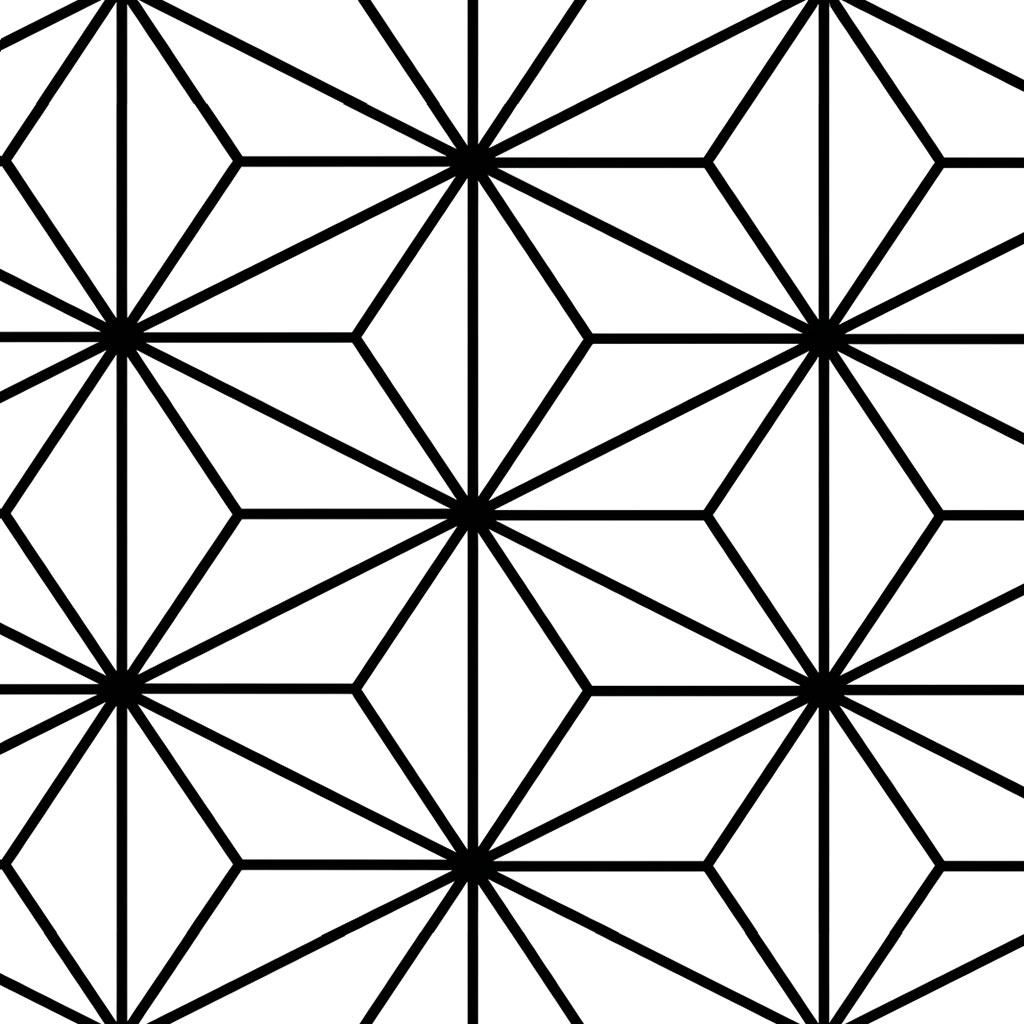
Asanoha Pattern
The “Asanoha” (hemp leaf) pattern is based on the shape of hemp leaves, which grow straight and strong. Because of this, it symbolizes healthy growth and protection from evil. It has traditionally been used for baby clothing.
This pattern appears on the outfit of Nezuko Kamado. It matches her character—someone who is protected, yet continues to grow stronger.
Triangle Pattern
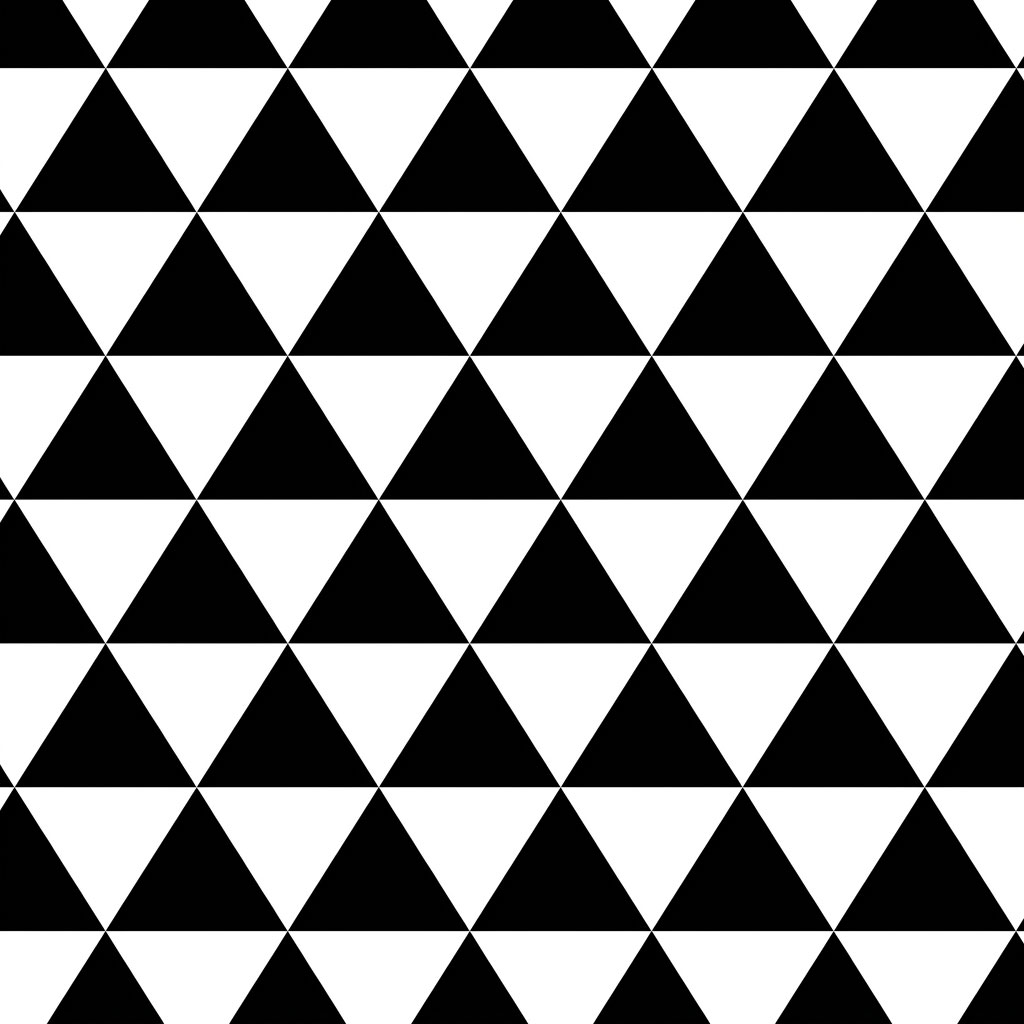
Triangle patterns are inspired by the scales of snakes or dragons. They symbolize protection, strength, and the power to ward off evil.
This idea is reflected in the triangular design of Zenitsu Agatsuma’s outfit. Triangles can feel sharp and rhythmic, which also connects to his fast movements and lightning-based abilities.
No Pattern
Unlike the other characters, Inosuke Hashibira does not wear a patterned outfit. He fights shirtless and wears simple, plain clothing with a boar mask.
This lack of pattern is meaningful. While other characters express ideas and symbolism through traditional designs, Inosuke represents raw instinct and wild nature. His design shows who he is—untamed, physical, and driven by pure survival.

Design Always Had a Purpose
In actual samurai culture, patterns like these were also used in clothing and armor. They could represent a person’s status, wishes, and identity. Design always had a purpose.
When you understand these meanings, anime becomes more interesting. You start to see not just costumes, but the inner story of each character. Discovering the meaning behind the design allows you to enjoy Japanese culture on a deeper level.
At our school, we also use scenes from Demon Slayer: Kimetsu no Yaiba to explain samurai culture, making it easier and more engaging to understand.