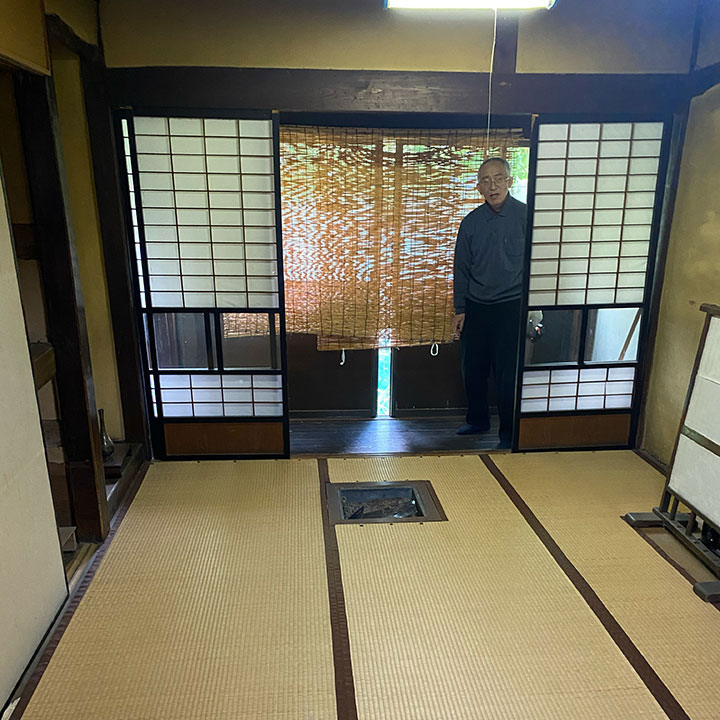
If you ever visit Hirosaki City in Aomori Prefecture, you can learn about Koga ninja at the Hirosaki Ninja House, and it is absolutely worth a visit. At just 1,000 yen, it offers incredible value and is highly recommended.
Koga Ninja Hideout
Koga ninja originated in Shiga Prefecture, but it is said that people influenced by Koga ninja techniques or traditions were involved with the Hirosaki Domain during the Edo period and served as the Hayamichi-no-mono. For this reason, in Hirosaki, the term “Koga ninja house” is used in explanations and descriptions.
Hirosaki Ninja House
My experience began with a delightful surprise. As I was taking photos in front of the building, the owner stepped outside. When I asked him, “Are you a descendant of a ninja?” he replied with a warm smile, “No, I was actually just a regular city office worker until a few years ago.” That unique interaction was the start of an incredibly fascinating journey.
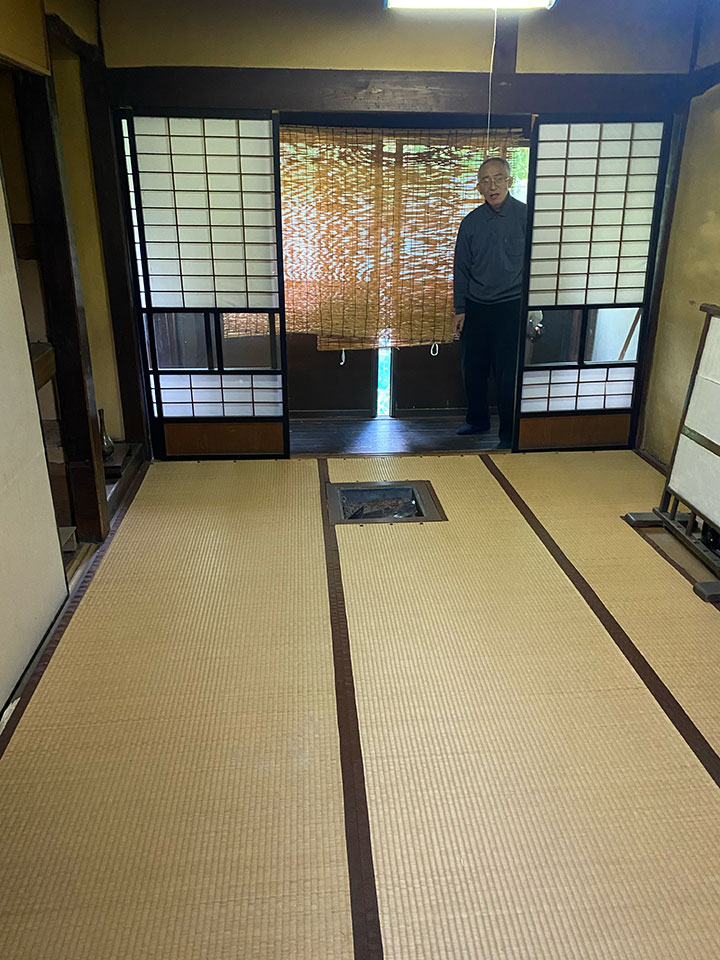
This Ninja House is a traditional old Japanese folk home purchased by the owner, Mr. Mitsumaro Sato, after he retired from his government job around the time of the pandemic. He is exceptionally knowledgeable about the history of Hirosaki and the Koga ninja clan, and he eagerly answered every single question I had.
During the samurai era (17th to 19th centuries), while the Tokugawa Shogunate—the central government of Japan—employed the famous Iga ninja, the local samurai rulers here in Hirosaki (the Tsugaru Clan) hired their rivals, the Koga ninja. These shadow agents were tasked with guarding Hirosaki Castle and conducting intelligence gatherings, essentially acting as historical spies to protect their territory.
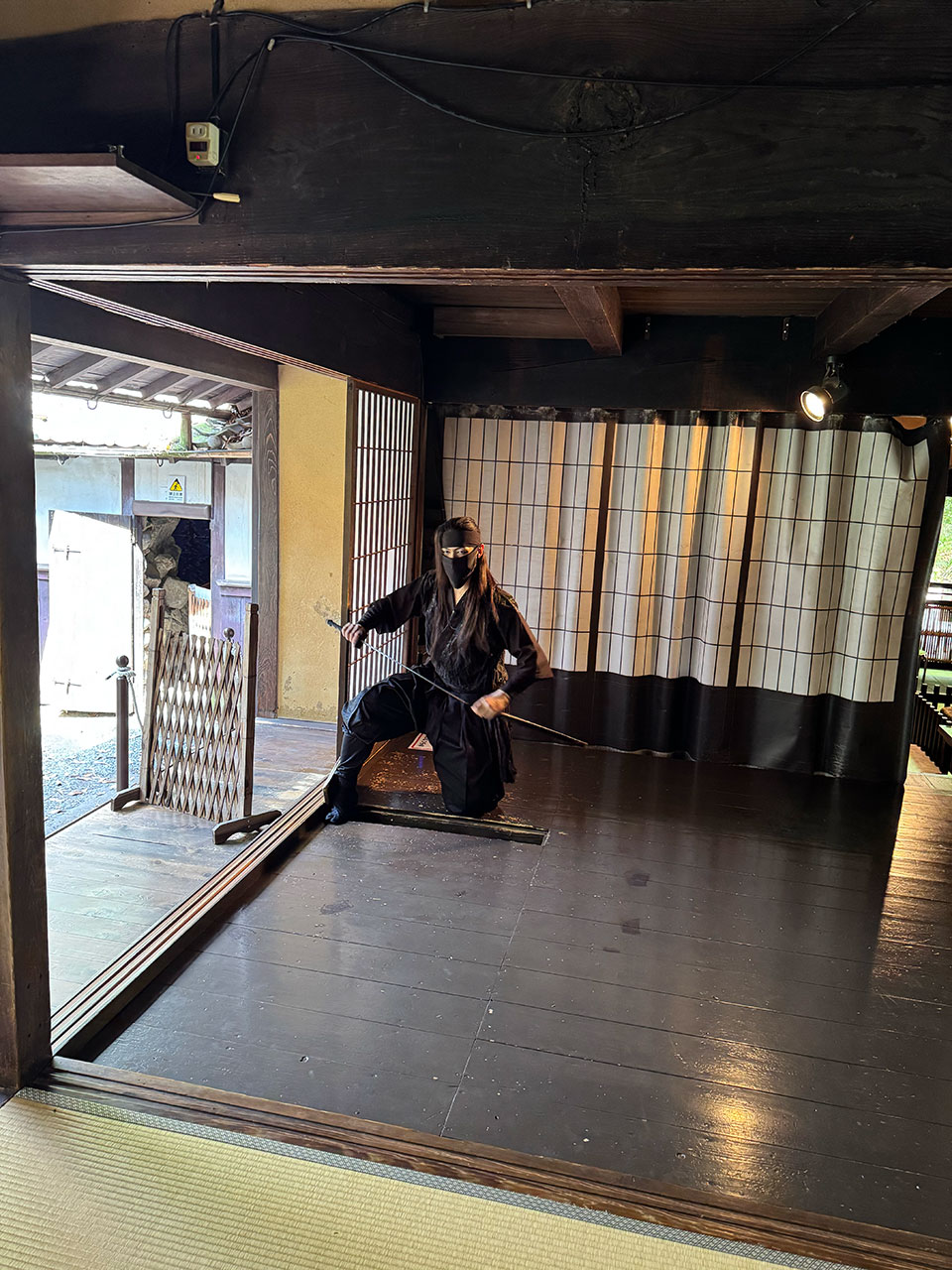
When it comes to the trick rooms inside the house, the hidden mechanisms might seem a bit modest if your expectations are set too high by Hollywood movies (haha). However, that simplicity is exactly what makes it real. Instead of flashy, cinematic traps, you get to see the practical, understated tricks that real-life spies used to survive.
Red Ninja Costume
Inside the house, a red ninja outfit is on display. While most people picture ninjas dressed entirely in black, it turns out that human eyes have a hard time recognizing the color red in complete darkness or during twilight.
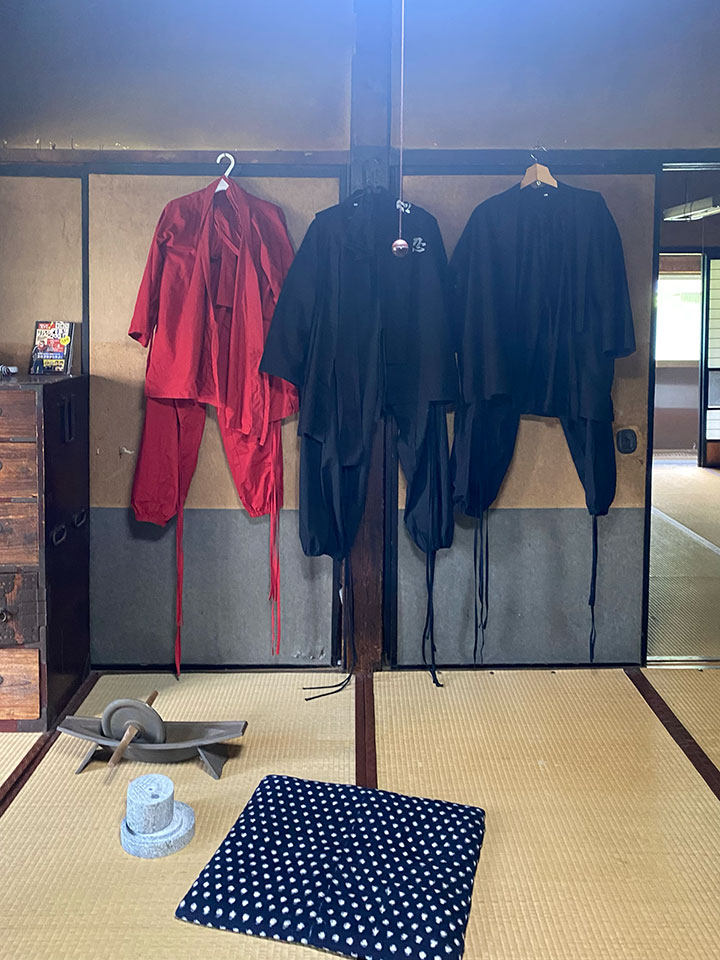
This is clear proof that the ninjas of the past utilized scientific knowledge to melt into the shadows.
Aconite Poison
Our conversation went even deeper into Japanese history. Mr. Sato shared a wide range of fascinating insights, including how the Hirosaki Clan aligned with the new government (the Emperor’s loyalist side) during the turbulent civil war of the late 19th century.
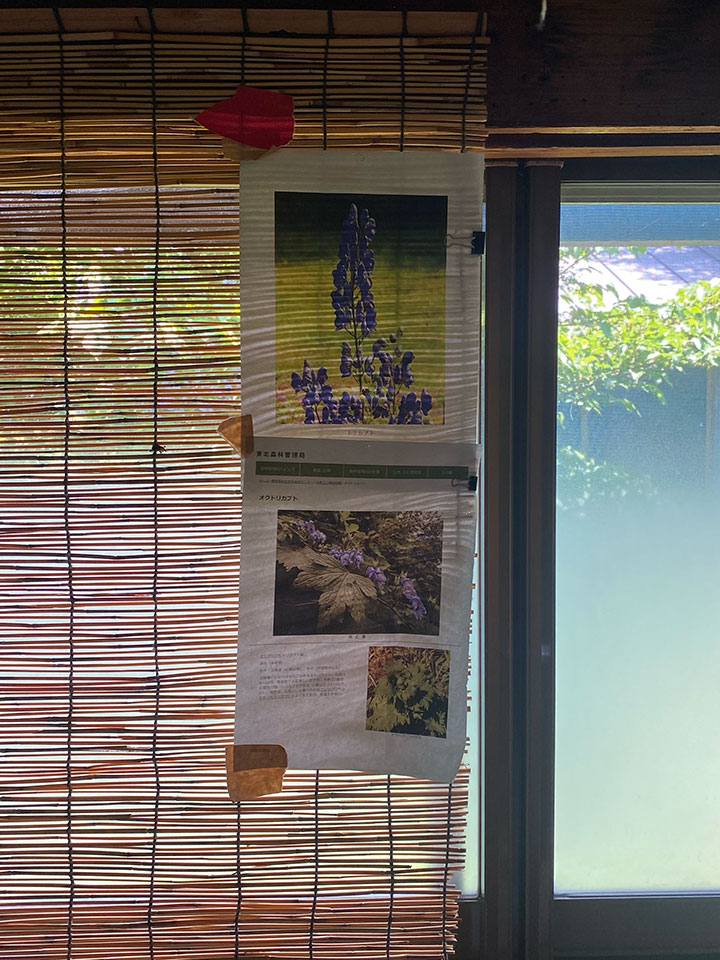
He even talked about historical conspiracies involving aconite poison, Emperor Komei, and the legendary samurai Akechi Mitsuhide.
According to the brochure I received, this house was built during the late Edo period and is clearly marked on a local map dating back to 1869. Interestingly, this wasn’t a place where ninjas lived a normal family life; it was a secret safe house used as a hub for strategic information exchange by a covert ninja group known as the “Hayamichi-no-mono.”
The Hayamichi-no-mono: Masters of the Koga Style
The Hayamichi-no-mono (which translates to “The Fast-Treading Ones”) was a ninja organization established around 1672. It was formed when Tsugaru Nobumasa, the 4th lord of the Tsugaru Clan, hired a Koga-style ninja master named Nakagawa Kohayato in Edo (modern-day Tokyo). The group was created due to growing tensions with the neighboring Nanbu Clan and the need to monitor activities in Ezochi (modern-day Hokkaido).
These operatives engaged in various high-stakes, classified missions. They surveyed the movements of the Matsumae Clan and the indigenous Ainu people, maintained public order within the Tsugaru territory, guarded the borders, and conducted espionage in rival regions. Crossing the treacherous Tsugaru Strait to monitor and relay intelligence from Hokkaido was one of their most critical duties. Their name, “Hayamichi-no-mono,” perfectly symbolizes their role as elite, high-speed messengers.
The Hayamichi-no-mono of the North
This secret network remained active throughout the entire Edo period, continuing its operations until around 1870, just after the Hakodate War (1868–1869). Their historical existence and clandestine activities are fully verified by authentic records, such as the official diaries of the Hirosaki Clan government, and a genuine ninjutsu manual discovered in the Hirosaki City Library in 2016.
Ninjas were not just fictional characters from anime or manga—they truly existed right here. I had such a fantastic time diving into this history that before I knew it, I had spent two full hours there.
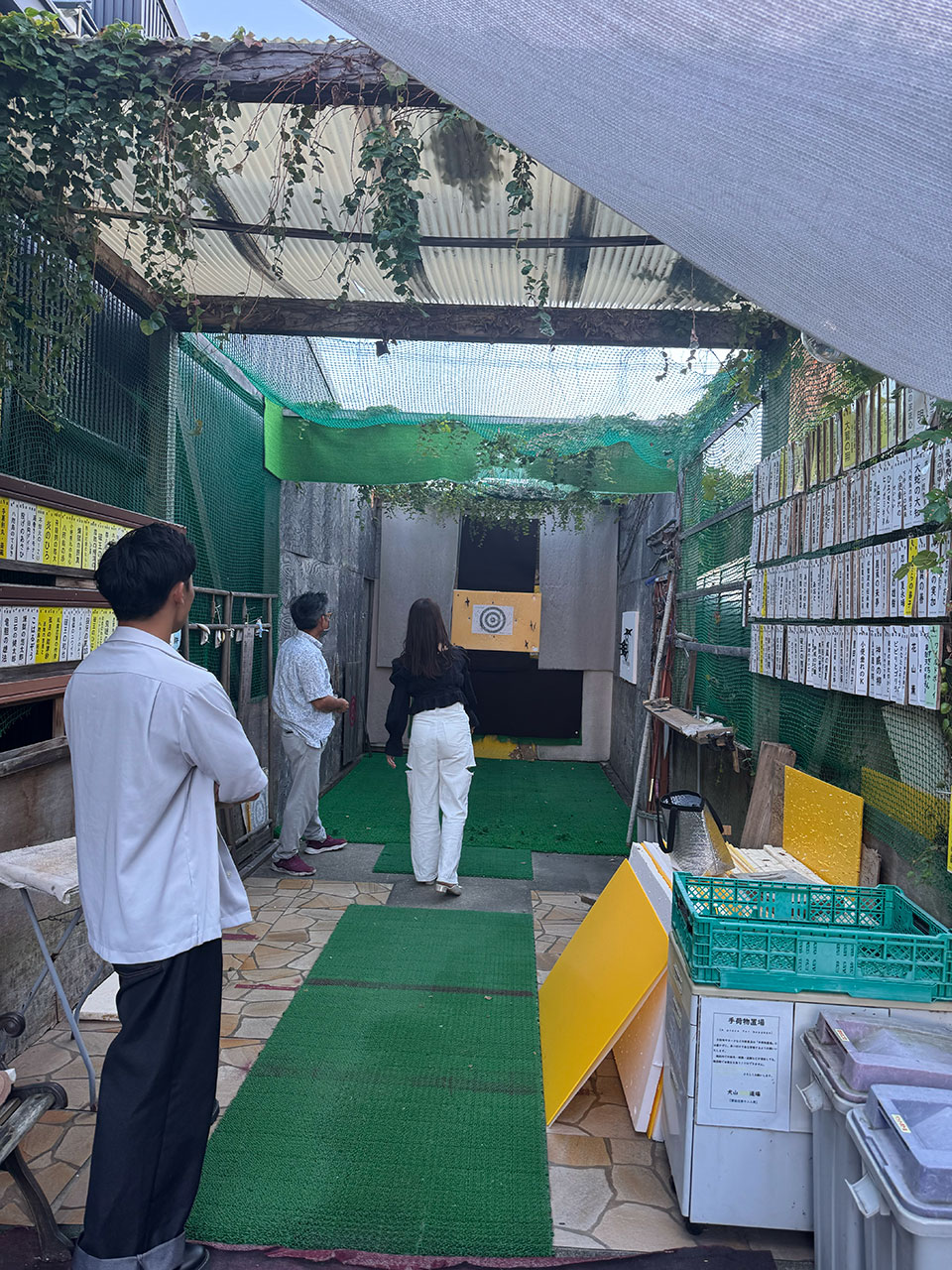
If you are a history buff, this place is an absolute must-visit. You can even try your hand at throwing shuriken (ninja stars) and take part in hands-on ninja experiences. This visit completely inspired me to dive deeper into ninja history, and the next time I have a chance to visit Hirosaki, I will definitely brush up on my history and go back again!
| Name | Hirosaki Ninja House |
| Address | 12 Mori-machi, Hirosaki, Aomori 036-8205, Japan |