The Samurai Experience is not about actually cutting, and it is not a sport like kendo. What we practice here is called “Tate,” a form of samurai action used in movies and stage performances. Tate developed from kabuki theater, where real sword techniques were transformed into expressive, choreographed movements meant to be seen and felt by an audience. Performers do not try to hurt each other. Instead, they work together to make the fight look real.
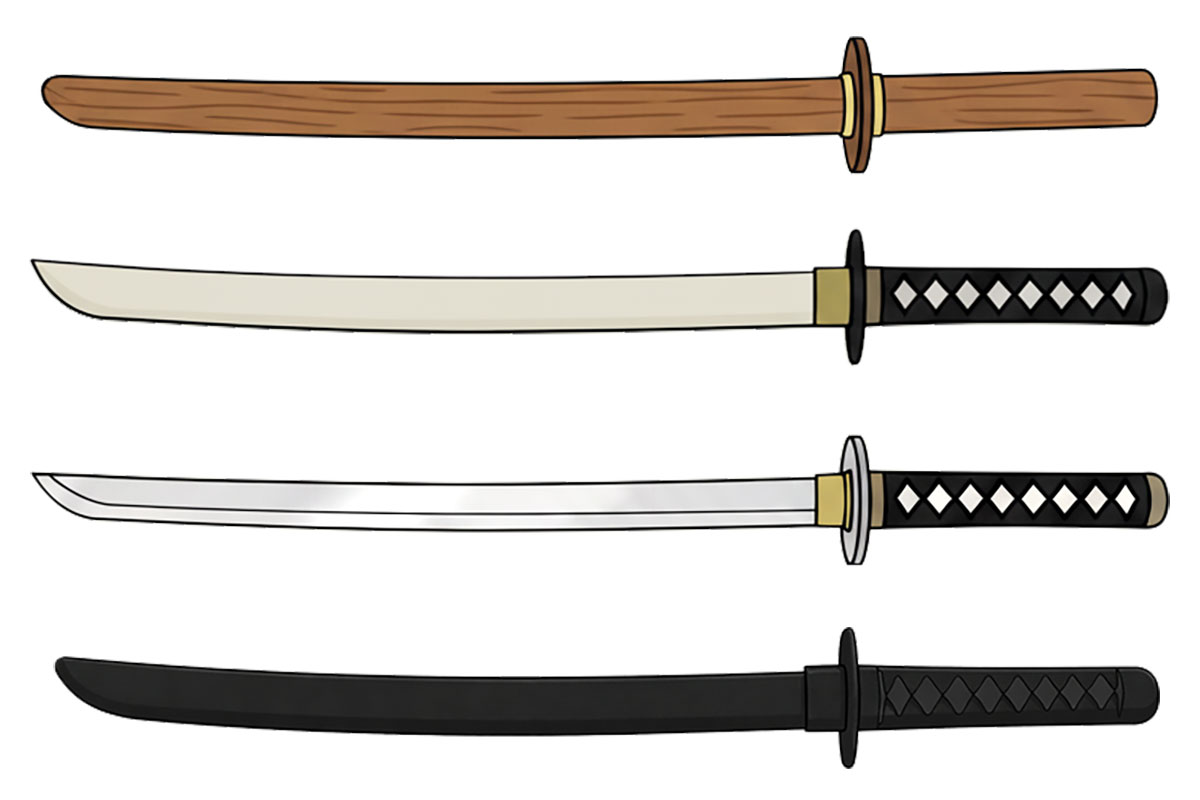
In the Tate class, you learn samurai movements and etiquette in a safe way. We value both safety and expression, and we use replica swords for training. Depending on the purpose, we use several types of swords. By choosing the right one for each level and exercise, we can train more effectively and safely.
Bokken (Wooden Sword)
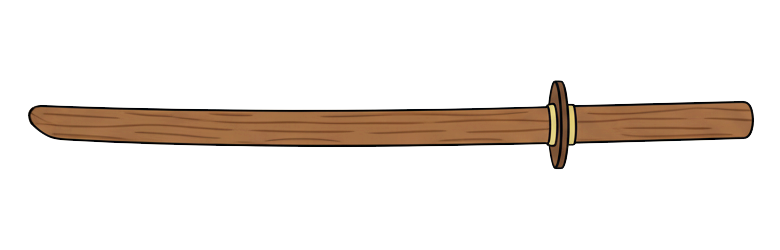
A bokken is a wooden training sword with no blade. It has a similar shape and length to a real Japanese sword and is widely used for beginners to learn basic movements, stances, and sense of distance.
It is easy to handle, relatively durable, and hard to break. Because it helps students develop correct form and posture, it is well suited for basic Tate practice and partner training.
Light, durable, safe
Rubber Sword
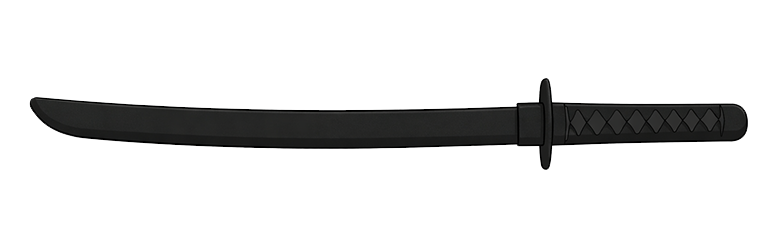
A rubber sword is a practice replica made from soft materials such as rubber or urethane. It looks similar to a Japanese sword, and the impact is greatly reduced when it makes contact, making it very safe.
It is often used for contact-based Tate practice and sparring-style training, and is suitable for everyone from beginners to professionals. However, when swung very quickly, the blade can bend, so care is needed for how it looks and for use in performances. Rubber swords were used during the filming of the movie Rurouni Kenshin.
Light, safe
Takemitsu (Bamboo Replica Sword)
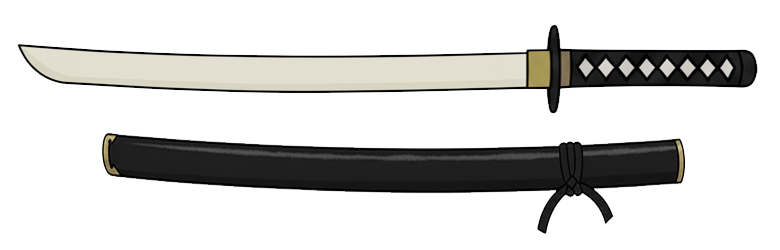
A takemitsu is a replica sword made with a bamboo or wooden core. Its appearance is designed to look close to a real Japanese sword, with silver-colored tape or paint on the blade to make it look realistic on stage or in experience programs.
It is lightweight and easy to handle, so students do not get tired even during long practice sessions. Because it comes with a scabbard, it is also useful for practicing drawing and sheathing the sword. It is ideal for period-style performances and for photos and videos in samurai experiences.
Light, fragile, looks real from a distance, and comes with a scabbard.
Iaito
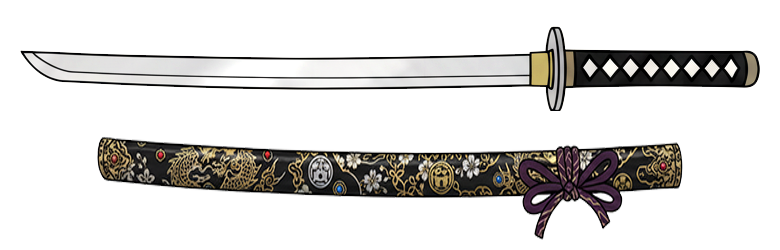
An iaito is a metal practice sword made specifically for iaido training. It has almost the same shape and weight as a real Japanese sword, but the blade is not sharp, which helps maintain safety.
Because of its weight, students must focus more on body control and balance, allowing for more serious and realistic training. It is used for practicing drawing, sheathing, and formal kata, and is generally recommended for intermediate and advanced students. In films, iaito are often used instead of takemitsu for close-up shots of the sword.
Heavy, dangerous, close to real, and comes with a scabbard.
Choosing the Right Sword
For basic training and first-time students, we use bokken. For performance and experience-focused programs, we use takemitsu. For serious iaido practice, we use iaito. For safety-focused, contact-based training, we use rubber swords. By selecting the right sword for each purpose, we provide safe, high-quality Tate training.
Leave a Reply