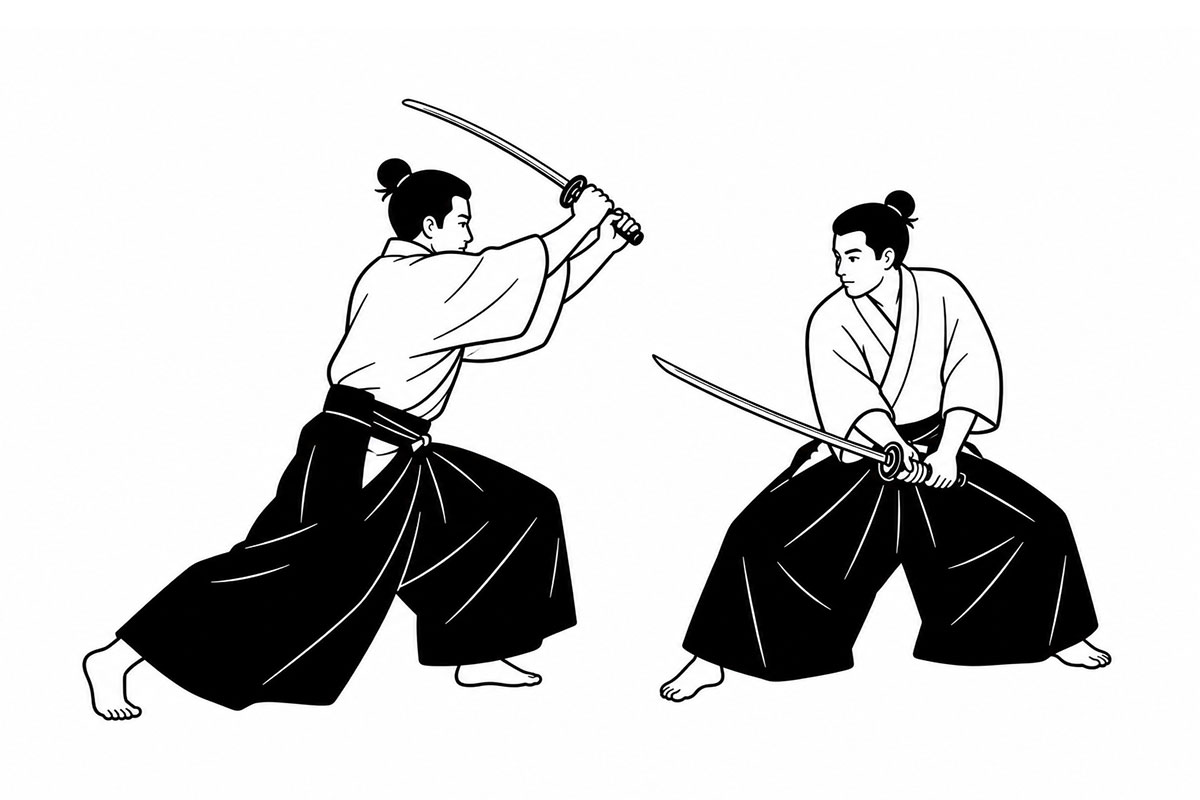
Samurai experiences are one of the most popular activities for international visitors to Japan. There are many samurai experiences available, and the differences can be hard to understand. However, by learning about the instructor’s background, you can better grasp what sets each experience apart.
This article explains the differences between styles such as Tate, Iaido (battojutsu), and Kendo. Find the samurai experience that’s perfect for your trip to Japan.
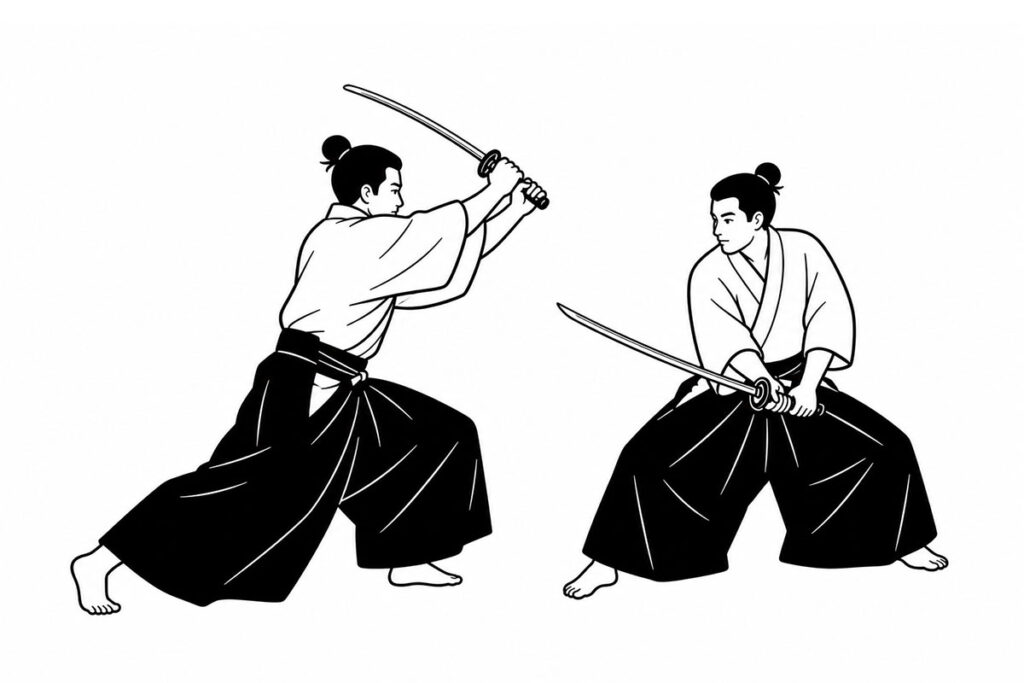
Tate (Stage Combat)
Tate (stage combat) is an action technique that recreates sword movements seen in TV shows and period dramas. It is not real combat, but focuses on safely performing cutting motions using practice swords.
Armor is generally not used, and the goal is to create the illusion that the strikes are actually landing.
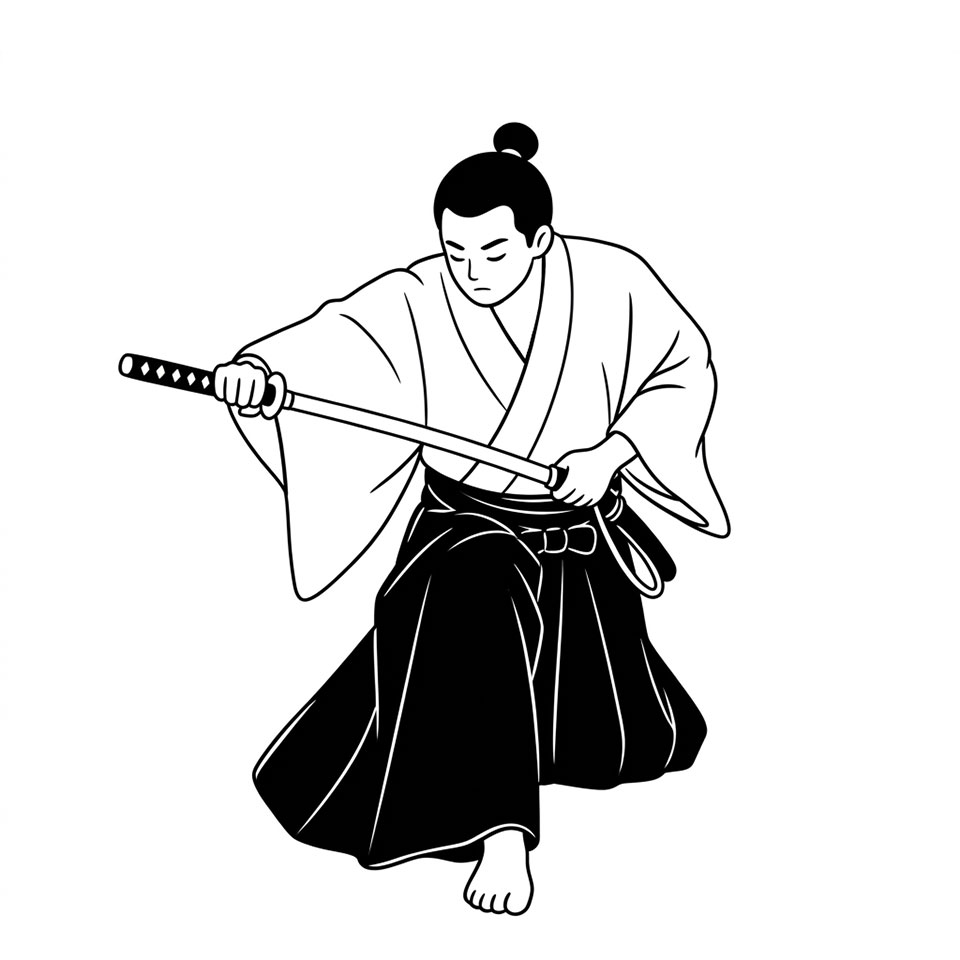
Iaido
Iaido is essentially a solo practice, focusing on the movements of drawing and cutting the sword with a Japanese sword (either a real or replica sword).
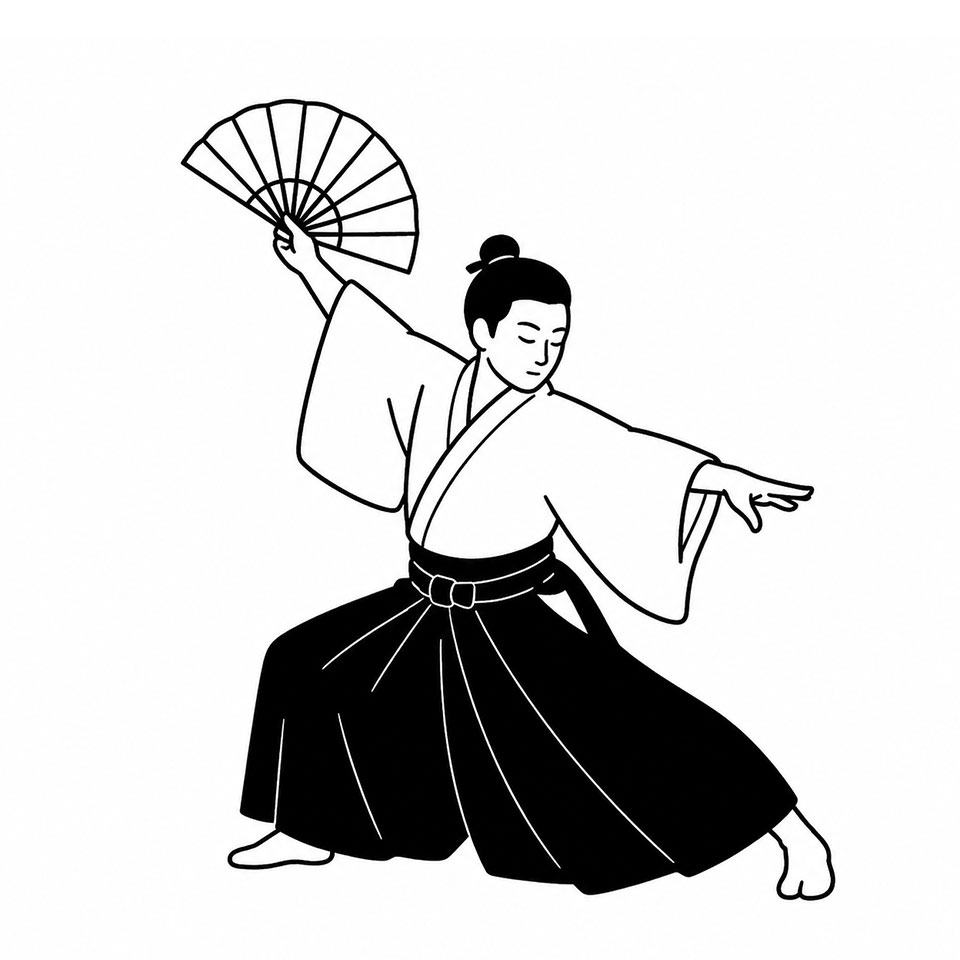
Kenbu
Kenbu is a traditional Japanese dance that uses a sword or a folding fan. It expresses the spirit and aesthetics of the samurai through movement and gestures.
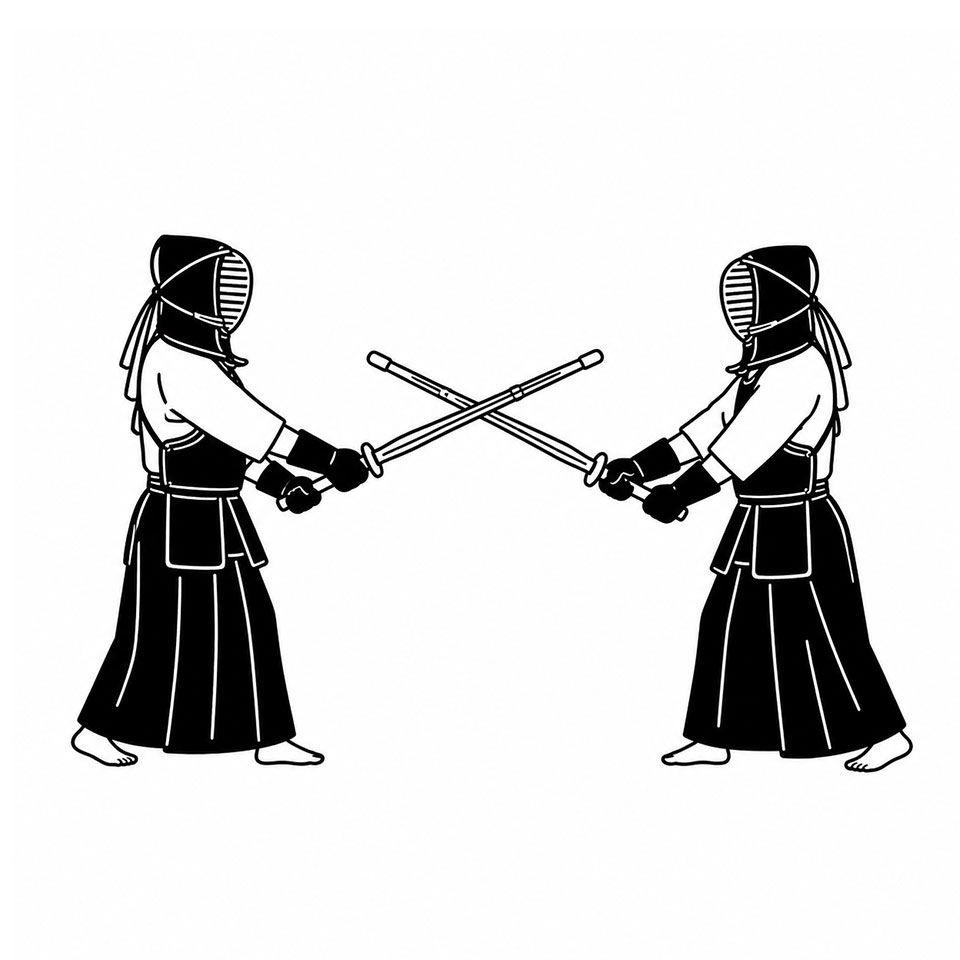
Kendo
Kendo introduces a Japanese martial art rooted in samurai swordsmanship. Using bamboo swords and protective armor, Kendo has evolved into a modern practice that emphasizes etiquette and spiritual discipline. While international competitions exist, many in the Kendo community are cautious about Olympic inclusion, as its focus on winning and clear rankings may conflict with Kendo’s values of respect and personal growth.
Dance
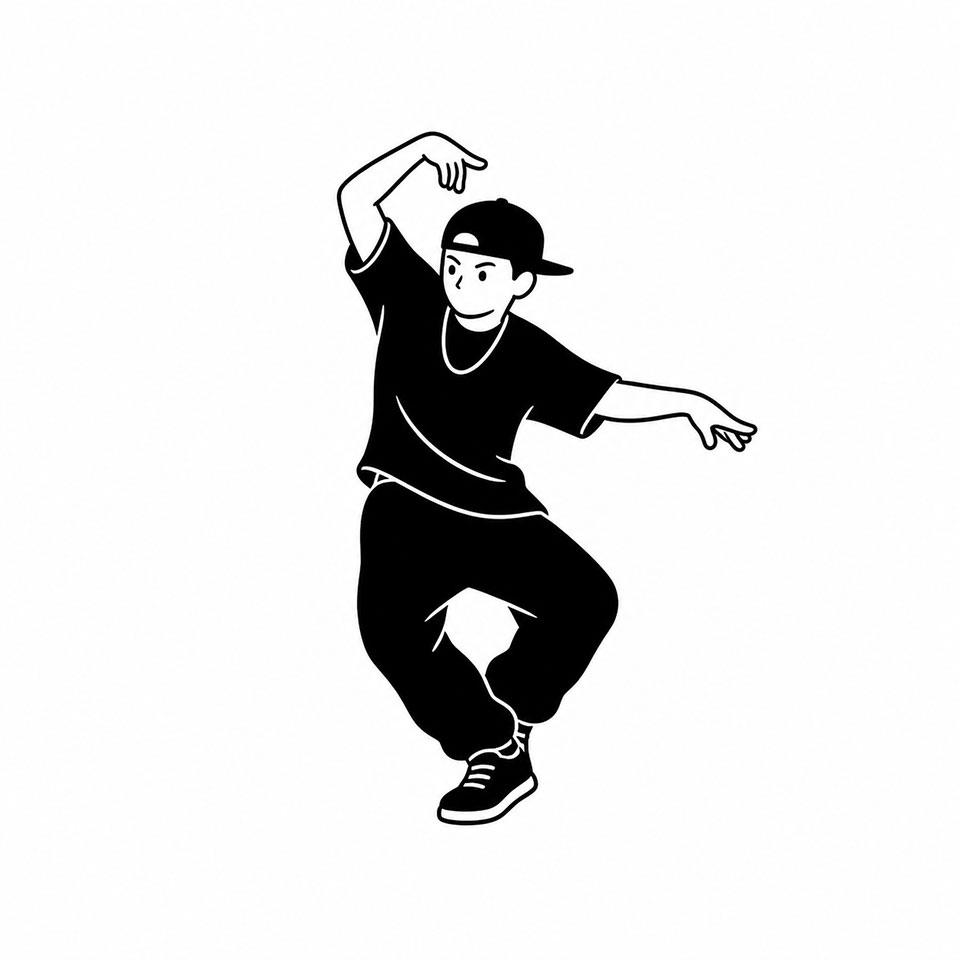
Dancers can perform acrobatic movements, so they are sometimes involved in samurai shows and experiences. Their performances are flashy and entertaining, but they may differ from authentic samurai movements.
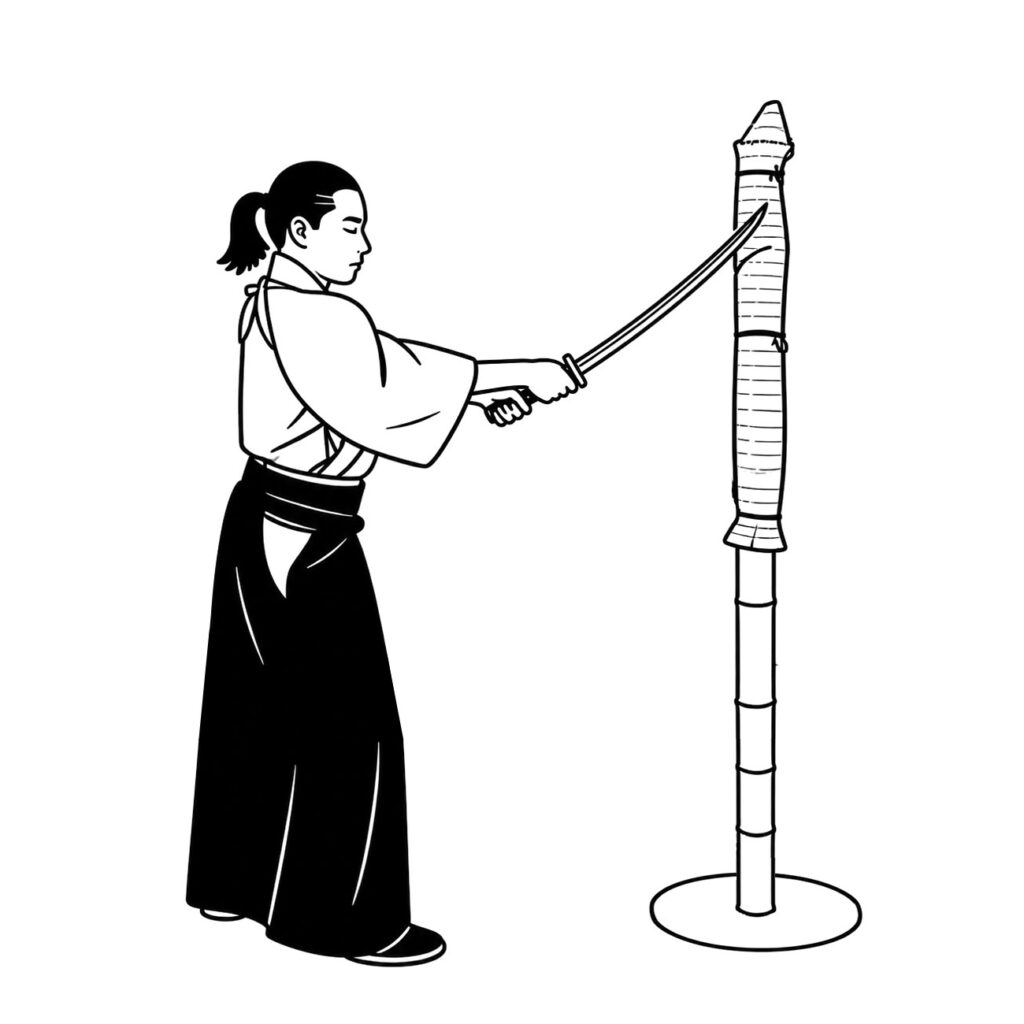
Tameshigiri Experience
“Tameshigiri” (cutting practice) with a real sword, where you can cut a rolled straw target. It’s a thrilling experience, similar to how Japanese people might feel when trying shooting at shooting ranges overseas.
Ninja Experience
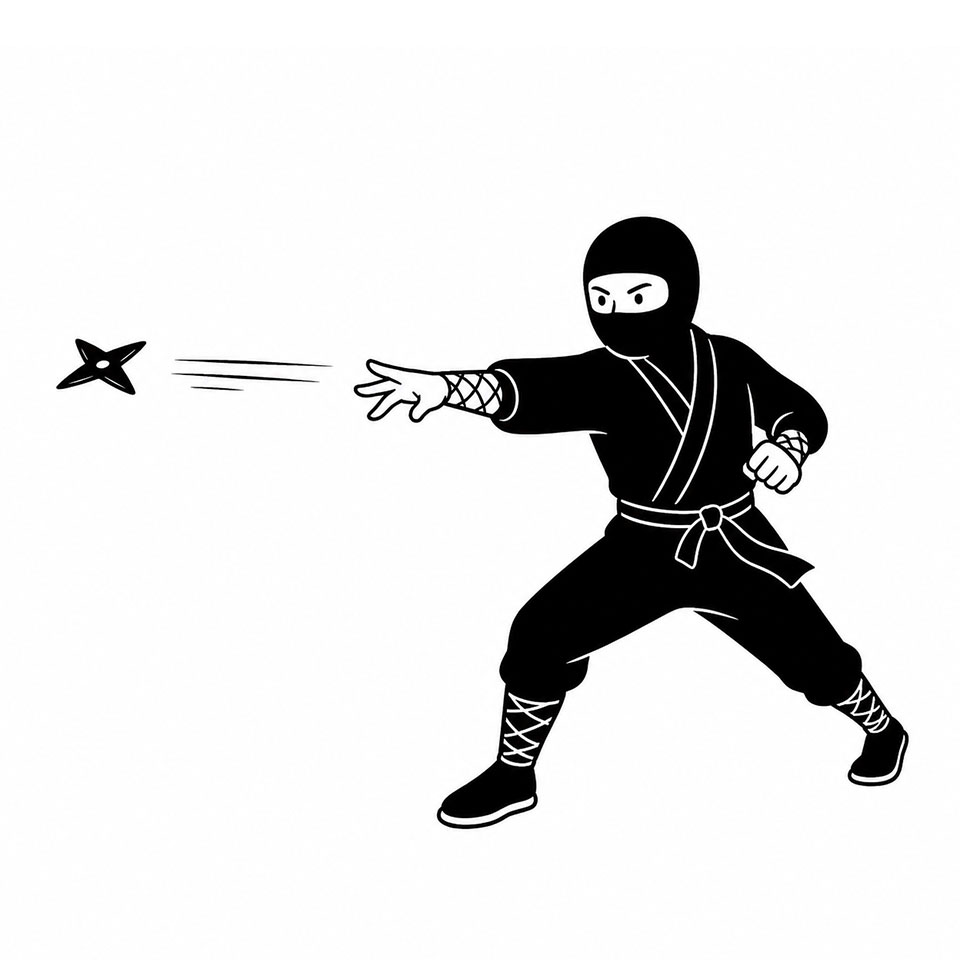
Although ninja and samurai are different, there are various types of ninja experiences. For example, some activities let you enjoy taking photos in a ninja costume, others teach you ninja-style movements and techniques, and some involve using tools like shuriken (throwing stars) and blow darts.
Samurai and ninja are popular keywords for tourism to Japan. While walking in Tokyo, you might come across signs for Ninja Laundry or Samurai Real Estate.
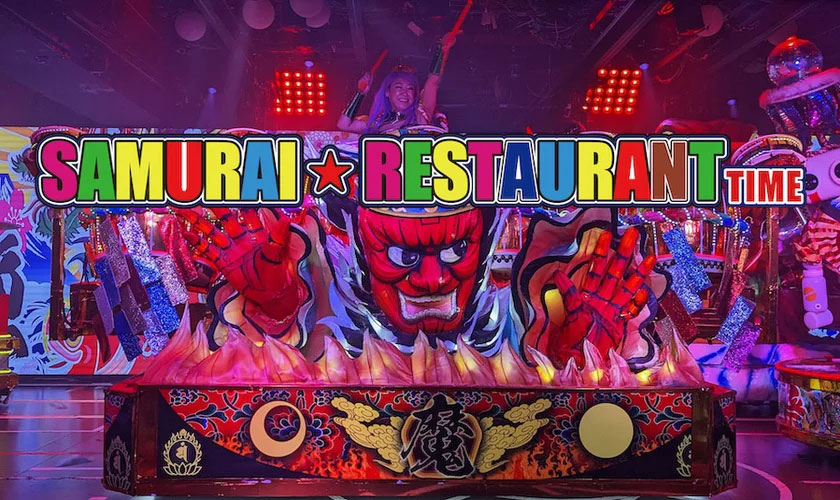
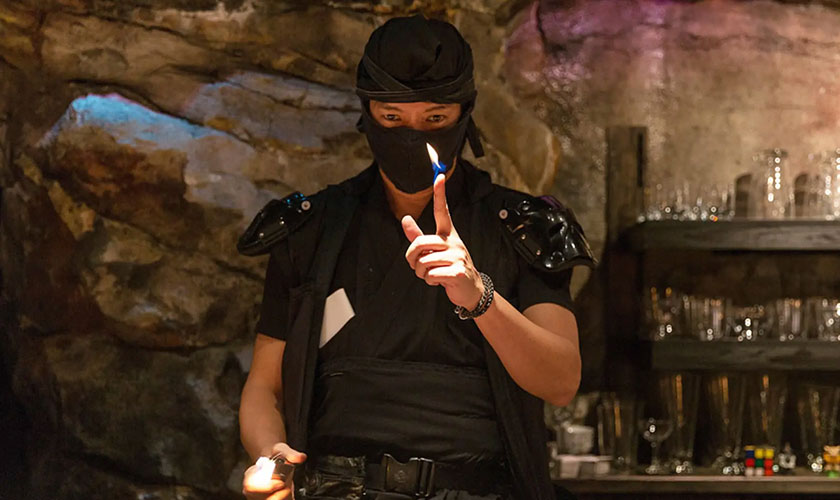
The Robot Restaurant in Shinjuku is now the Samurai Restaurant, and Tokyo also has places like the Ninja Restaurant.
These show how much foreign tourists love samurai culture. Be sure to check out our tour too!