Kawanakajima is a historic battlefield located in present-day Nagano Prefecture, where two of Japan’s most famous warlords, Takeda Shingen and Uesugi Kenshin, fought in the 16th century. For history lovers, it remains a popular sightseeing destination today.
These conflicts are known as the “Battles of Kawanakajima” and took place five times over a 12-year period. They are considered one of the most iconic events of Japan’s Sengoku period.
The Sengoku period was a time when warlords across Japan fought to control land and power. The battles centered around Shinano (modern-day Nagano), a strategically important and fertile region that served as a key transportation hub.
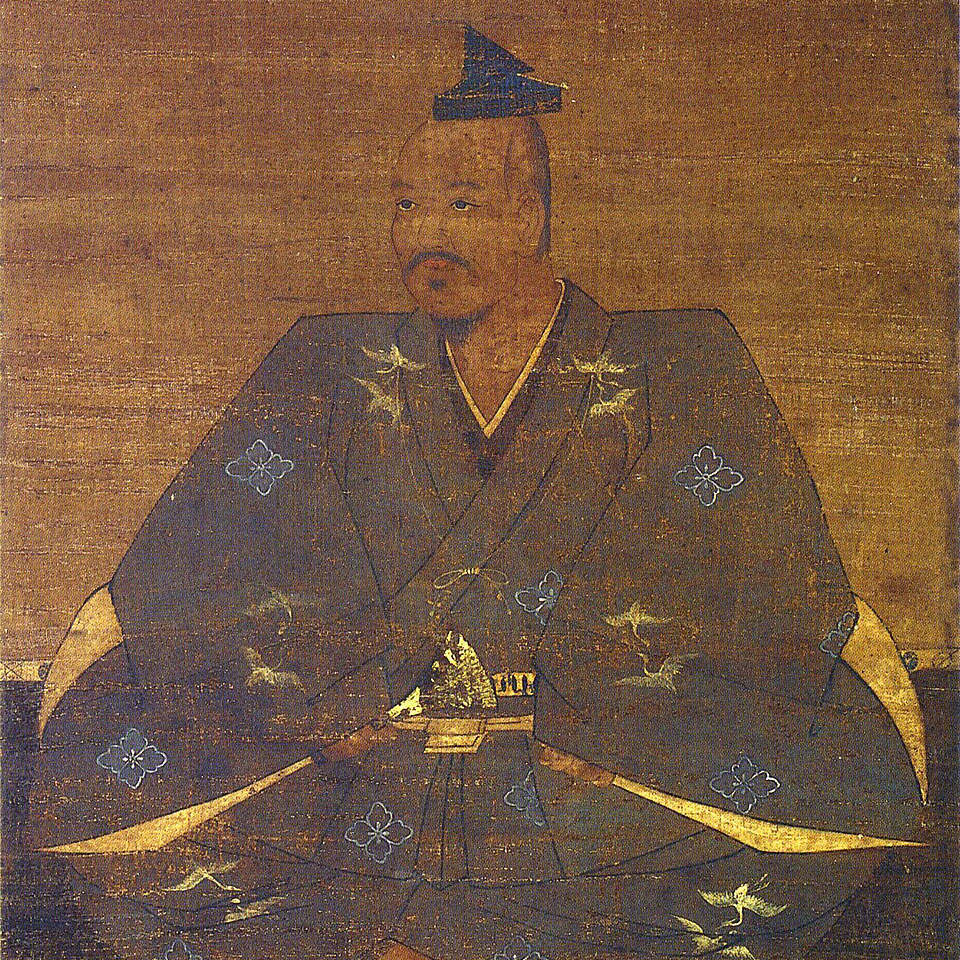
Takeda Shingen
Takeda Shingen was a powerful warlord from Kai Province (now Yamanashi). He is famous for his battle banner bearing the phrase “Fūrinkazan,” taken from the ancient Chinese text The Art of War. It means: “Swift as the wind, silent as the forest, fierce as fire, and immovable as the mountain.” Guided by this philosophy, he used calm yet bold strategies and won many battles.
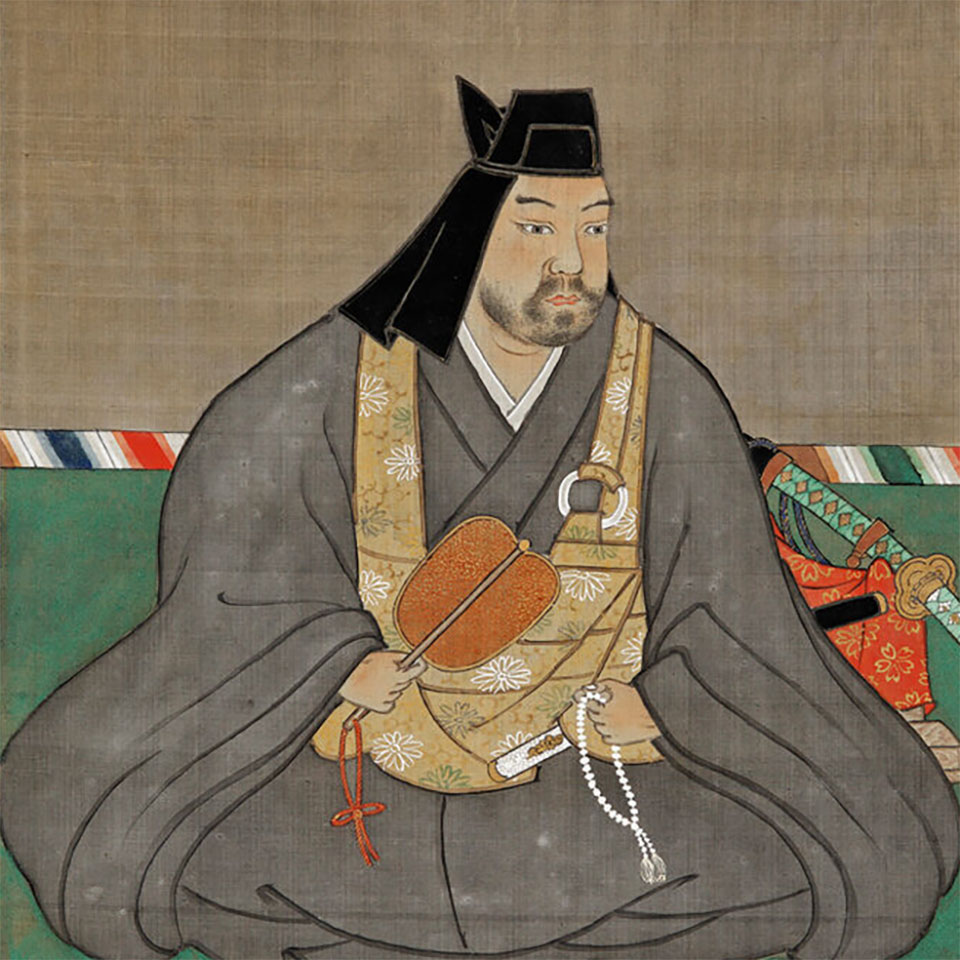
Uesugi Kenshin
Uesugi Kenshin was a warlord from Echigo Province (now Niigata) and was known as the “Dragon of Echigo.” He was respected for his strong sense of justice and his devotion to Buddhism and the people he ruled. He worshipped Bishamonten, the god of war, and was said to go into battle believing himself to be the god’s earthly incarnation.
How to Get to Kawanakajima from Nagano Station
The Kawanakajima Battlefield is about a 30-minute bus ride from Nagano Station. Bus services are limited, so it’s best to plan ahead.
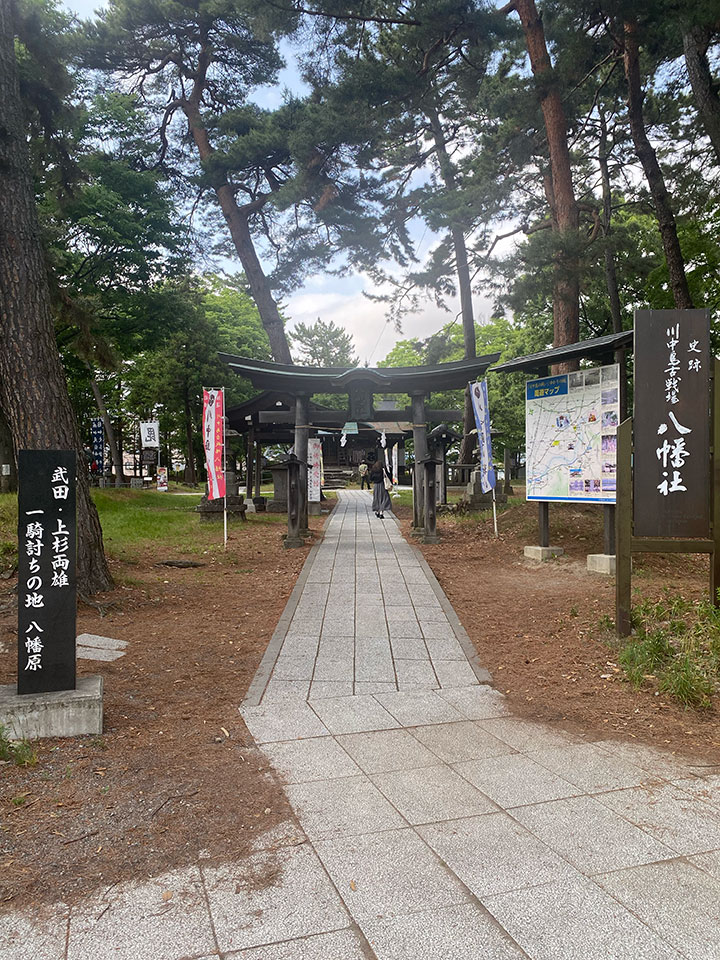
Address: Inside Hachimanpara Historical Park Oshimadamachi Nagano-shi
When you get off the bus, you’ll find yourself at Kawanakajima Battlefield Park, a public park with free admission. This is where Takeda Shingen is said to have set up his main camp in preparation for a surprise attack on Uesugi Kenshin.
According to legend, Shingen’s army began cooking rice before dawn. The rising smoke revealed their position, allowing Kenshin’s forces to launch a counter-surprise attack instead, turning the encounter into a full-scale battle.
Hachiman Shrine
Inside the park is Hachiman Shrine, a place dedicated to deities closely associated with warriors and samurai. The area is also connected to ancient Japanese myths and legends.
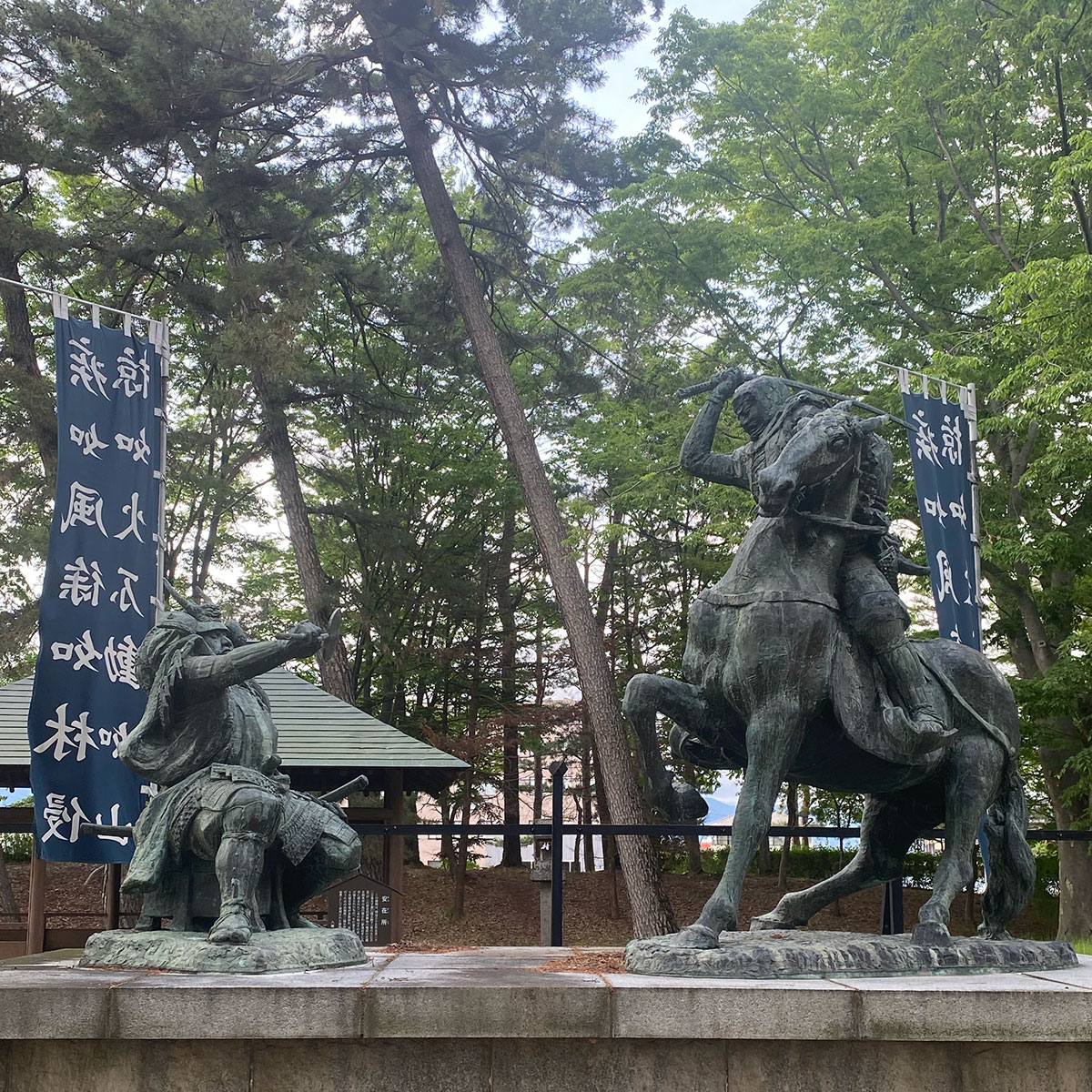
Statue of Shingen and Kenshin’s Duel
Within the shrine grounds stands a statue depicting the famous duel between Takeda Shingen and Uesugi Kenshin. According to legend, Kenshin charged into Shingen’s headquarters and struck at him, while Shingen parried the blow with his war fan, known as a gunbai uchiwa.
Kubizuka (Mound of Heads)
The battle ended without a clear victor, with heavy losses on both sides. The battlefield was left strewn with the fallen, and two burial mounds known as Kubizuka are said to mark where the dead were laid to rest.
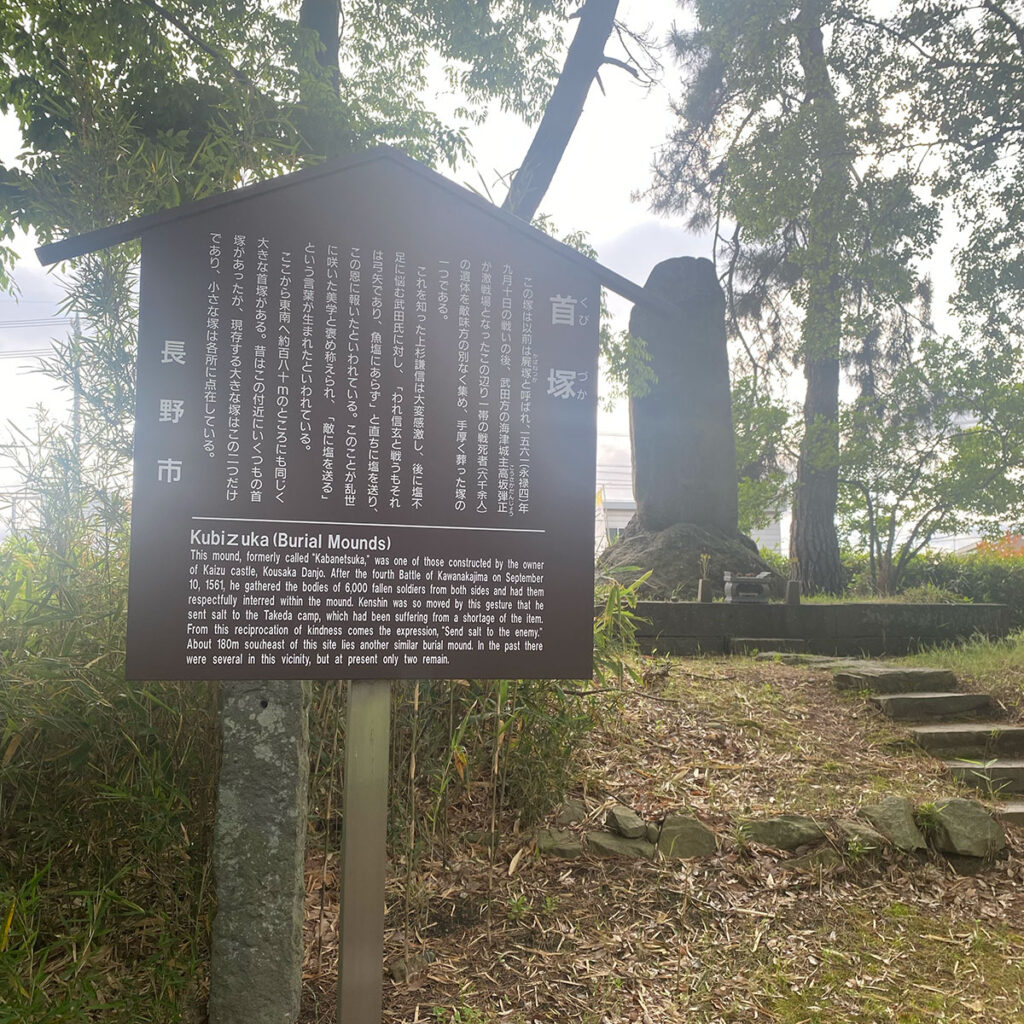
The text on the two signboards is the same. They were written by Kosaka Danjo of the Takeda side, and it is said that he respectfully buried not only Takeda’s soldiers but also those of the Uesugi army.
Moved by this act, Uesugi Kenshin later sent salt to the Takeda clan when they were suffering from a salt shortage. This story gave rise to the Japanese saying “to send salt to your enemy,” which means helping someone in need, even if they are your opponent.
There is also a theory—still debated today—that Uesugi Kenshin may actually have been a woman.
Nagano City Museum
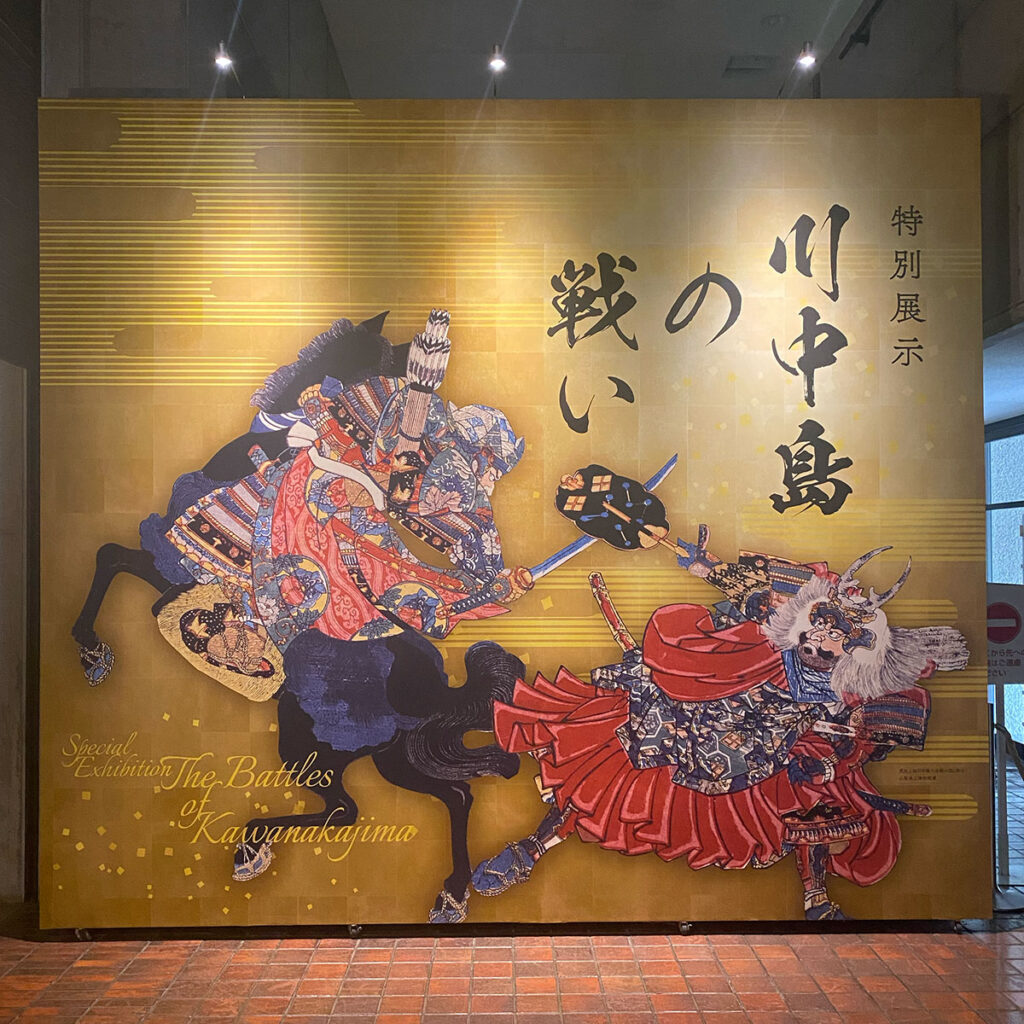
Just nearby, the Nagano City Museum has a permanent exhibition where you can learn in detail about the Battles of Kawanakajima.
Woodpecker Strategy (Kitsutsuki Senpō)
Among the five battles, the most famous is the Fourth Battle of Kawanakajima in 1561. Takeda Shingen used a tactic known as the “Woodpecker Strategy,” said to have been devised by his strategist Yamamoto Kansuke.
Part of the army acted as bait to draw the enemy forward, while the main force moved around to attack from behind, creating a pincer attack. The name comes from the image of a woodpecker striking a tree from front and back at the same time.
However, Uesugi Kenshin saw through the plan. Instead, his army launched a sudden counterattack on Takeda’s main force, throwing the battlefield into chaos. This is when the famous legend is said to have occurred: Kenshin charged in on horseback, and Shingen defended himself with his war fan.
In this battle, Shingen’s younger brother, Takeda Nobushige, and Yamamoto Kansuke were said to have been killed. There is also a tradition that Kansuke, ashamed of the failed plan, took his own life, though historians still debate whether he truly existed.
Shigin: Kawanakajima
During the peaceful Edo period, people began to romanticize the earlier “Warring States” era. The dramatic rivalry between the charismatic warlords Takeda Shingen and Uesugi Kenshin captured the public’s imagination as a perfect subject for the stage. Their story appeared in poetry, kabuki theater, and puppet drama (bunraku).
The battles came to be remembered not just as history, but as a lasting tale that symbolizes courage and honor.
For those who want to experience samurai culture in action, check out the live performances by KATANAYA ICHI. Their non-verbal samurai shows bring history to life through dynamic swordplay inspired by legendary warriors like Takeda Shingen and Uesugi Kenshin.
Leave a Reply