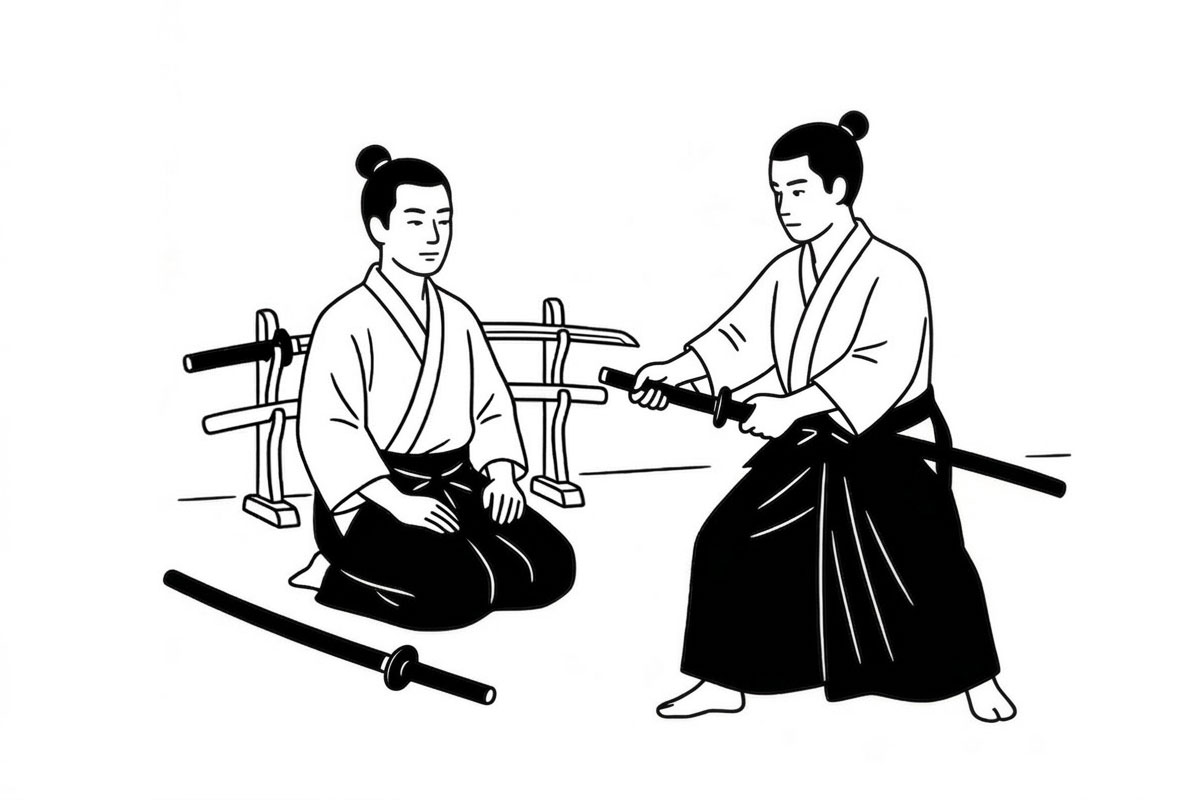
A beginner-friendly guide to the most important Japanese words and commands used in samurai sword training and cultural experiences in Japan. Learn the meaning and proper use of Mokusō (meditation), Rei (bow), Battō (draw the sword), Ichi, Ni, San (counting), Yame (stop), and Noto (sheath the sword).
Ideal for travelers, martial arts students, and anyone joining a samurai experience in Tokyo or across Japan.
Useful Japanese Words for the Lesson
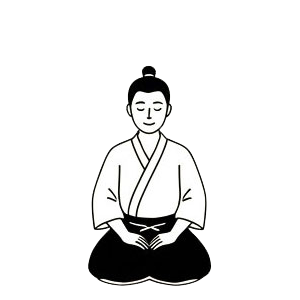
Mokuso
When the teacher says “Mokuso,” calm your mind and sit in seiza for a short meditation before or after practice.
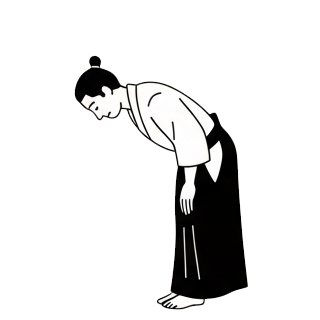
Rei
When the teacher says “Rei,” bow with respect. Always show respect to your teacher, your training partners, and your sword.
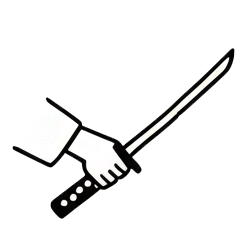
Batto
When the teacher says “Batto,” draw your sword — take it out from the scabbard smoothly. In Japanese, the technique of quickly drawing the sword and cutting the opponent is called battōjutsu or iaijutsu.
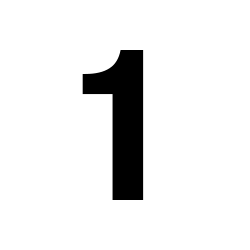
Ichi, Ni, San
Ichi, Ni, San means “1, 2, 3” in Japanese, used for counting during movement training in Japan.
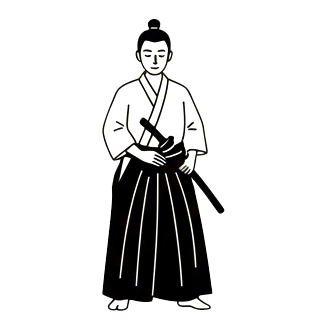
Noto
When the teacher says “Noto,” return your sword — put it back into the scabbard.
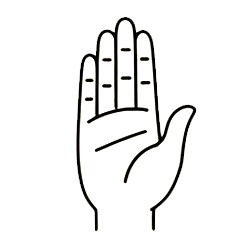
Yame
When the teacher says “Yame,” stop immediately. It’s a Japanese command meaning “stop” or “cease.”
Mate
When the teacher says “Mate,” wait immediately. It’s a Japanese command meaning “wait.”
Arigatou Gozaimashita
“Arigatou gozaimashita” is a polite way to thank someone for something they did, like “Thank you very much” or “I really appreciate it.”
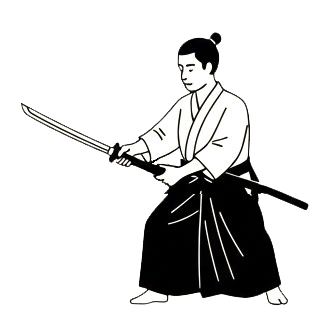
Kamae
When the instructor says Kamae, it is time to take your ready stance. For most beginners, this means the Seigan-no-kamae, which is the standard middle-level guard.
Samurai Training FAQ: Common Questions
We have put together some common questions and cultural tips to help you get the most out of your samurai experience.
Mokusō is more than just relaxation. It is a ritual to clear your mind of daily distractions and focus on the spirit of the samurai. Taking a moment to be still helps you stay concentrated and safe while handling a sword.
If you find the kneeling position uncomfortable due to injury or flexibility, please do not worry. You are welcome to sit cross-legged or use a chair. The most important thing is to maintain a straight posture and a respectful attitude.
In Japanese martial arts, we say everything starts and ends with a bow. This is a way to show respect to your instructor, your training partners, and your sword. It creates a safe and supportive environment for everyone.
Returning the sword to its scabbard is one of the most challenging parts for beginners. The secret is to keep your eyes forward and use your left thumb as a guide. Do not rush. It is much better to move slowly and feel the blade slide in.
Knowing the words is the first step toward the Way of the Samurai. Ready to hear these commands in person? Join us to feel the resonance of the dojo and the spirit of the blade for yourself.
Leave a Reply