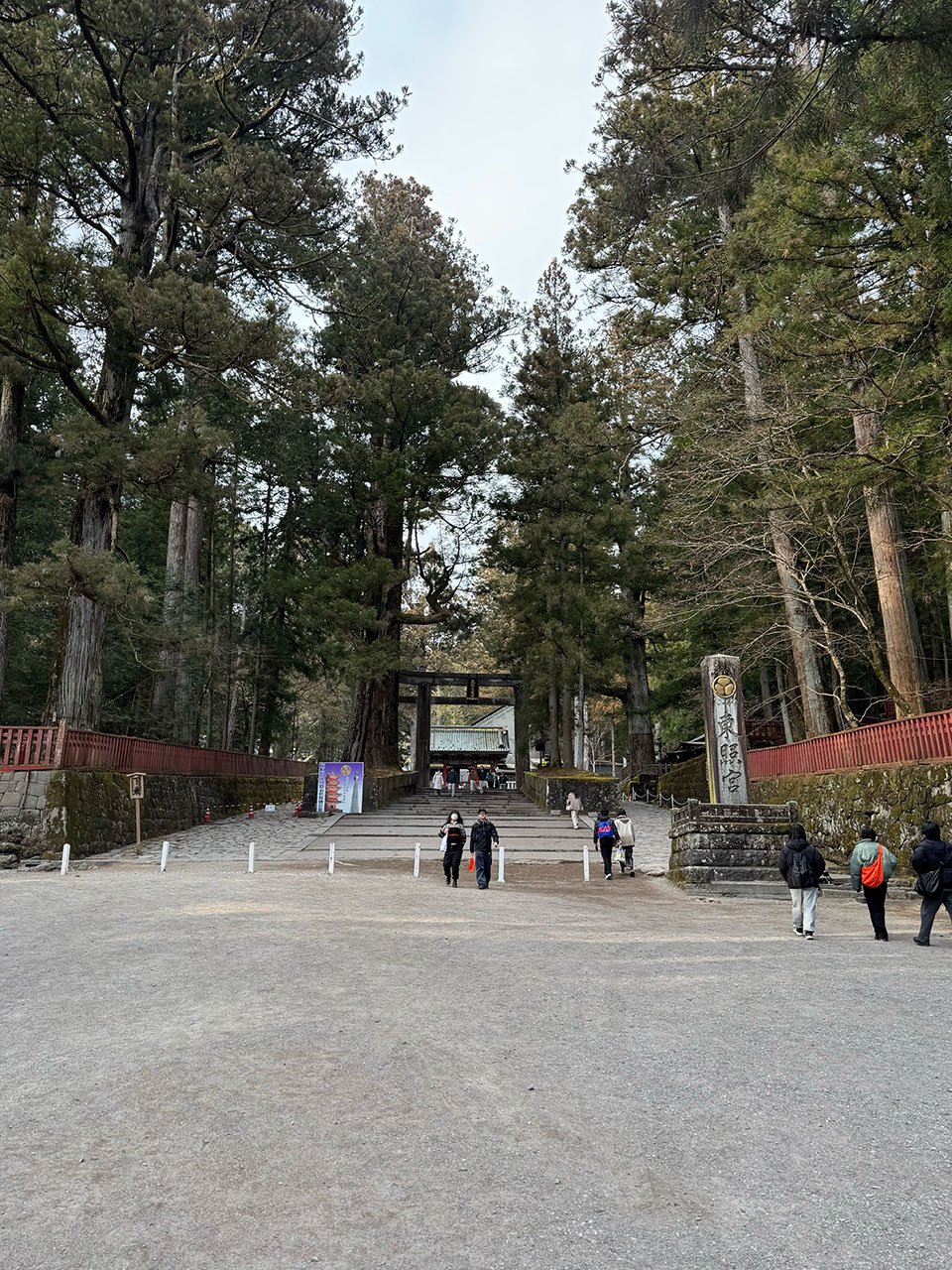
Nikko Toshogu is a famous shrine in Nikko, Tochigi Prefecture. It enshrines Tokugawa Ieyasu, the founder of the Edo Shogunate, as “Tosho Daigongen.” Japanese shrines usually honor nature, ancestors, or legendary figures, but Nikko Toshogu deifies a real historical person after his death. It is one of the few shrines in Japan where a human being is worshipped as a god.
There are more than 100 Toshogu shrines across Japan, and all of them enshrine Tokugawa Ieyasu. Nikko Toshogu is the original and most important one. Its lavish and colorful architecture symbolizes the authority and power of the Edo Shogunate.
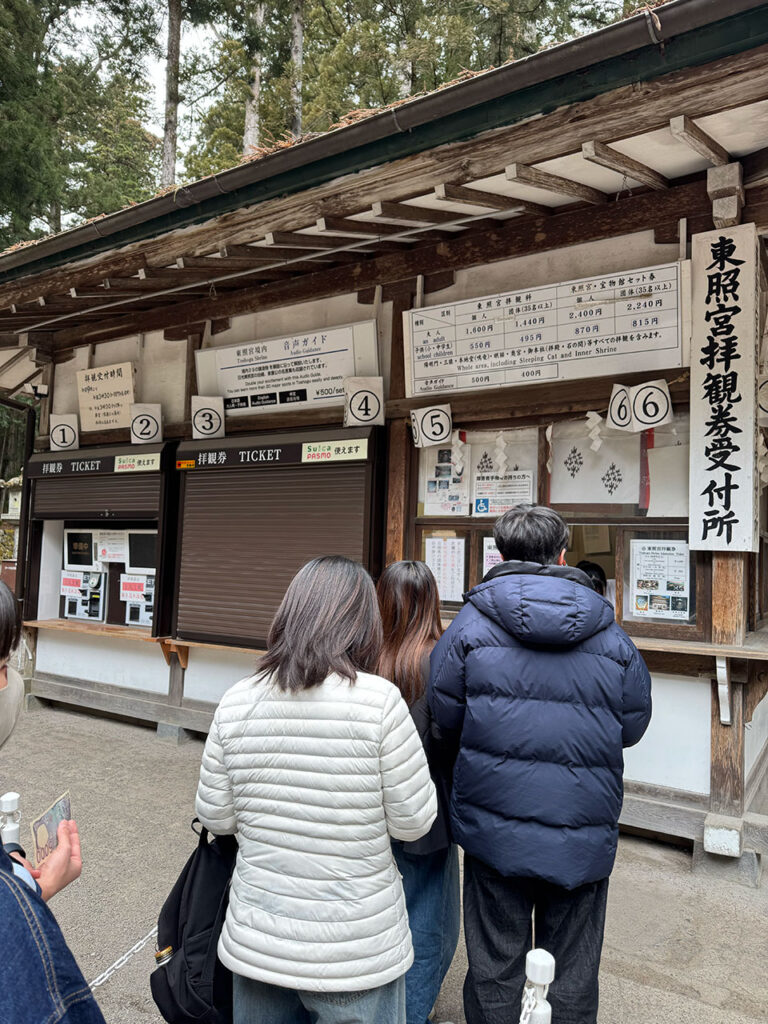
The admission fee is 1,600 yen. You can see the Tokugawa family crest and gold decorations everywhere, emphasizing the authority of the Edo period. The buildings are unusually ornate for a shrine—bright, colorful, and sometimes compared to Hindu temples in India.
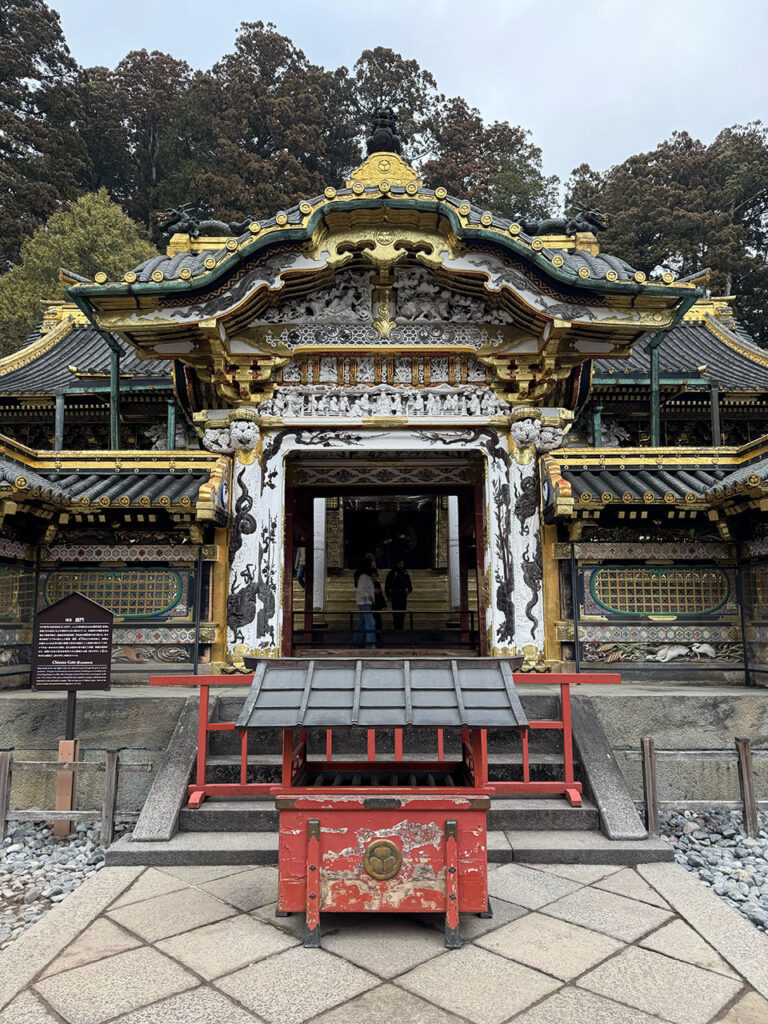
After Tokugawa Ieyasu died, he was enshrined under the name “Tosho Daigongen.” The word “Gongen” comes from a Buddhist idea that a Buddha appears in the form of a Shinto deity to save people. So this name combines Shinto and Buddhist beliefs. It is not purely Buddhist, but an example of a syncretic faith that blends Shinto and Buddhism.
Three Wise Monkeys
One of the most famous carvings at Nikko Toshogu is the Three Wise Monkeys: “See no evil, speak no evil, hear no evil.”
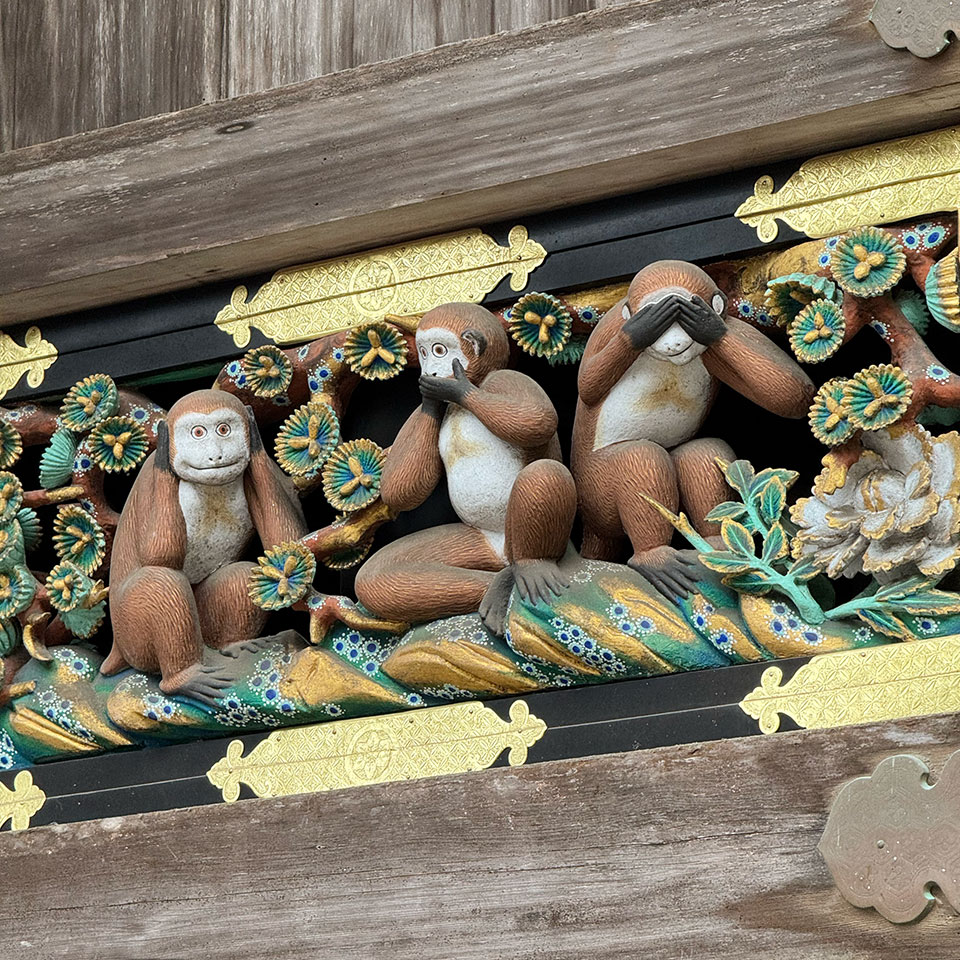
They are carved on a building called the Sacred Stable. There are eight panels in total, depicting the life stages of a monkey. The “see no evil, speak no evil, hear no evil” scene represents childhood.
The message is that children are pure and easily influenced, so they should be protected from evil. Although the carving is small, it expresses the ideal view of human life during the Edo period.
Sleeping Cat
Another famous carving is the Sleeping Cat. It is placed quietly above a doorway, and you might miss it if you are not paying attention.
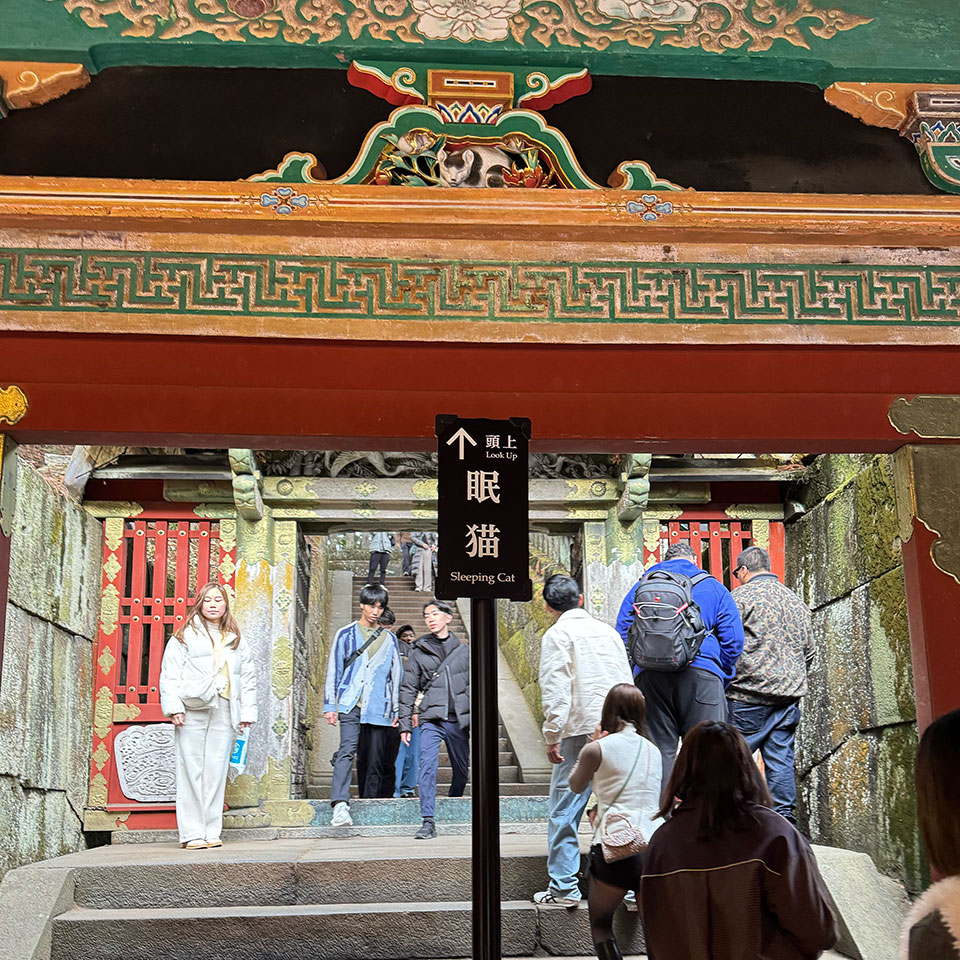
The sleeping figure symbolizes peace. It is also said to suggest that the cat protects Ieyasu’s tomb while keeping its natural aggression under control.
Okusha Hoto (Inner Shrine Mausoleum)
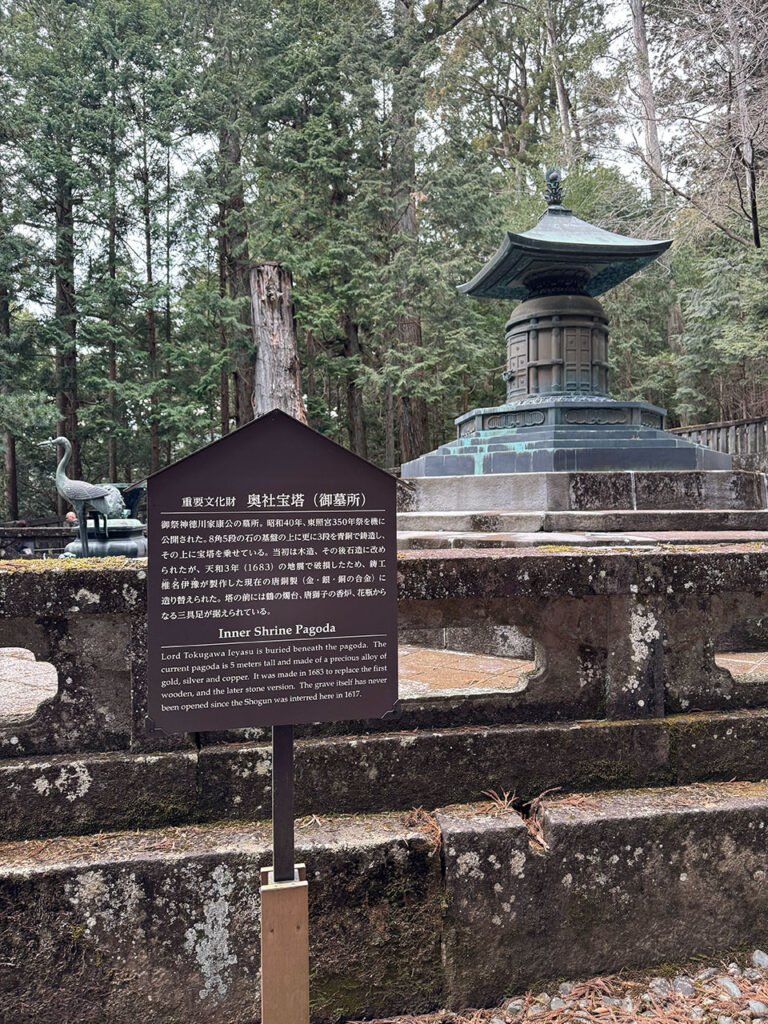
After passing the Sleeping Cat and walking up a long flight of stairs, you reach the Okusha Hoto, the mausoleum of Tokugawa Ieyasu. The atmosphere there is calm and solemn. Unlike the glittering main shrine buildings, this area feels quiet and sacred.
Yakushido Hall
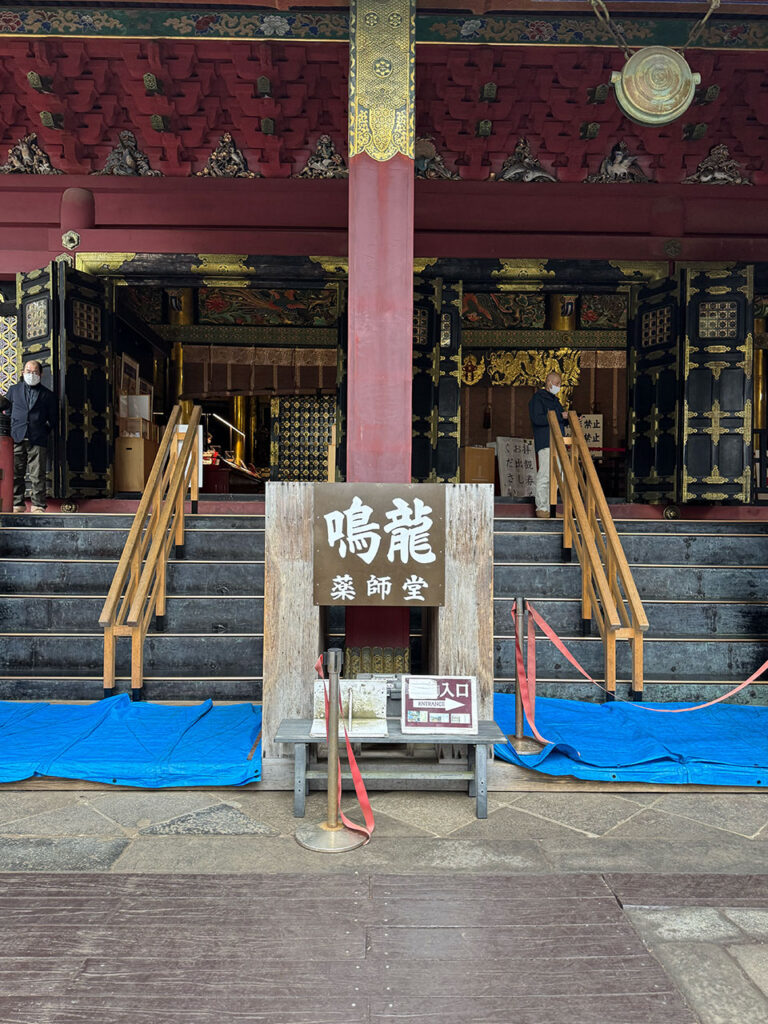
Yakushido Hall is also worth visiting. A large dragon is painted on the ceiling. When you clap your hands directly under the dragon, the sound echoes and feels as if the dragon is roaring. This phenomenon is known as the “Crying Dragon.” (No photography allowed.)
The shrine is surrounded by nature. Cherry blossoms bloom in spring, and the autumn leaves are beautiful in fall. It is registered as a UNESCO World Heritage Site and is popular as a place to experience Japanese culture and history.
It can be extremely crowded during peak seasons, but weekdays in February are easier to explore. If you want to see everything carefully, you should allow at least two hours. Early mornings and weekday mornings are less crowded.
From Tokyo, it takes about 2.5 to 3 hours by train. A day trip is possible, and there are also guided tours from Tokyo. If you cannot travel all the way to Nikko, Ueno Toshogu in Tokyo is also a good option.
Leave a Reply